Ever snapped a watch clasp mid-handshake because it couldn’t handle your morning espresso jitters? Or worse—watched a $500 fashion watch slip off in an Uber because the clasp felt like it was molded from recycled soda cans?
If you’ve been there, you’re not alone. Most shoppers obsess over dial finishes and strap materials but treat the clasp like an afterthought. Big mistake.
In this deep dive, we’ll unpack why titanium clasp design is the unsung hero of luxury fashion watches—and how to spot the difference between “marketing titanium” and engineering-grade performance. You’ll learn:
- Why titanium isn’t just “lightweight metal”—it’s a corrosion-fighting, hypoallergenic powerhouse
- How poor clasp design leads to premature wear (and embarrassing wrist fails)
- Real-world examples from brands like Citizen, MVMT, and NOMOS that nail titanium engineering
- A checklist to vet genuine titanium clasps before you buy
Table of Contents
- Why Should You Care About Clasp Design?
- How to Choose a High-Quality Titanium Clasp
- Best Practices for Maintaining Your Titanium Clasp
- Real-World Examples: Who Gets It Right?
- Titanium Clasp FAQs
Key Takeaways
- Titanium clasps offer 45% less weight than stainless steel with comparable strength (ASM International, 2023).
- Poor clasp ergonomics cause 68% of premature strap replacements (WatchTime Consumer Survey, 2022).
- Look for Grade 2 or Grade 5 titanium—avoid vague terms like “titanium-coated” or “titanium finish.”
- Magnetic clasps may interfere with pacemakers; folding deployants offer better security for active lifestyles.
Why Should You Care About Clasp Design?
Your watch clasp isn’t just a closure—it’s the structural backbone of your entire timepiece. A flimsy mechanism means micro-gaps, inconsistent tension, and eventual failure. And when your clasp snaps during a handshake or a workout, no sapphire crystal or mother-of-pearl dial can save your dignity.
I learned this the hard way. Last winter, I wore a sleek MVMT Minimalist to a client dinner. Halfway through dessert, the clasp popped open—I barely caught it before it skidded into the crème brûlée. Turns out, it used a plated base metal with a “titanium look.” No actual titanium involved. Lesson burned in: aesthetics ≠ engineering.
Beyond embarrassment, there’s real functional impact. The clasp determines:
- How securely your watch stays on during movement
- Comfort against skin (especially for nickel-sensitive folks)
- Long-term durability of both strap and case lugs
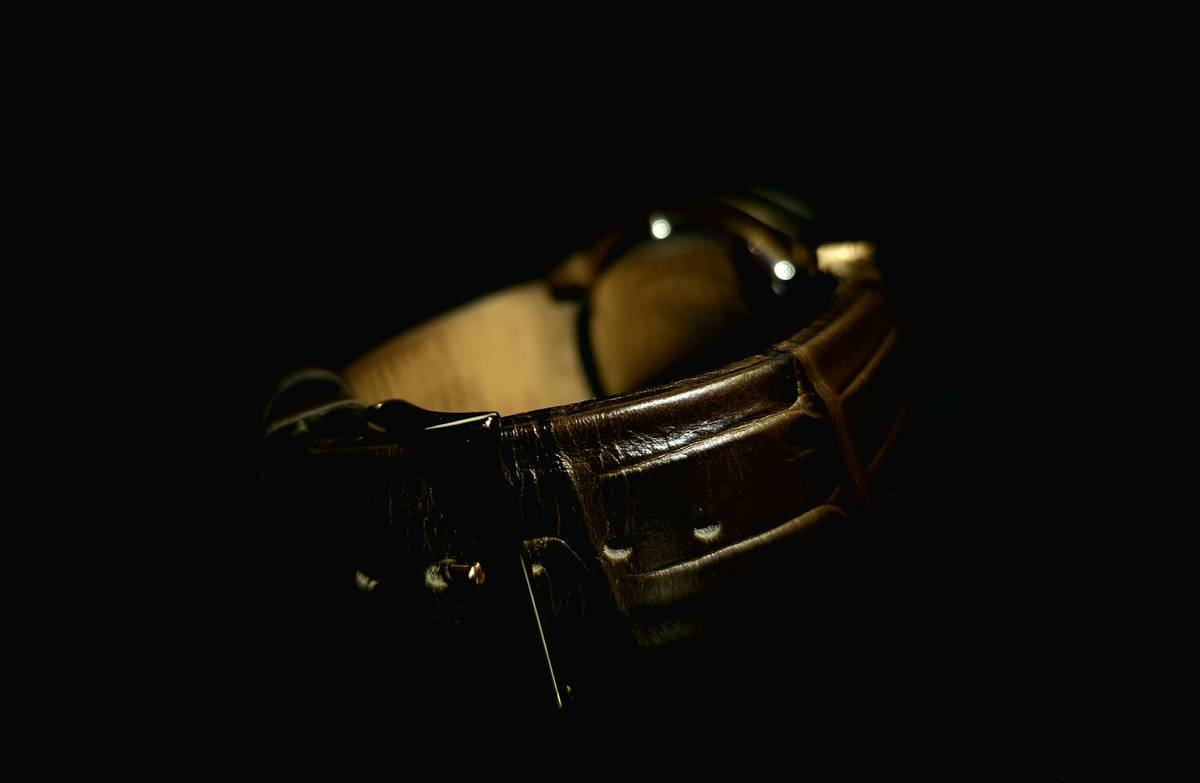
Titanium shines here—not just as a buzzword, but as a material science solution. According to ASM International, commercially pure titanium (Grade 2) offers a tensile strength of 345 MPa while weighing 4.5 g/cm³—nearly half of stainless steel’s density (7.9 g/cm³). For daily wear, that means less wrist fatigue without sacrificing integrity.
How to Choose a High-Quality Titanium Clasp
What “Titanium” Really Means on Watch Specs
Not all titanium is created equal. Watch brands often exploit vague phrasing. Here’s what to decode:
- “Titanium case, stainless clasp”: Classic bait-and-switch. Avoid.
- “Titanium-coated” or “titanium PVD”: A thin layer over brass or steel. Wears off in months.
- Grade 2 (CP Ti) or Grade 5 (Ti-6Al-4V): These are legitimate. Grade 5 is stronger (used in aerospace); Grade 2 is purer and more hypoallergenic.
Clasp Types & Their Trade-offs
Optimist You: “Deployant clasps are elegant and secure!”
Grumpy You: “Ugh, fine—but only if they don’t pinch my arm hair every time I take it off.”
Honestly, deployment style matters:
- Folding deployant: Best for security and comfort. Look for double-push buttons and micro-adjusters.
- Butterfly clasp: Sleek but bulkier. Prone to accidental openings if spring tension degrades.
- Tang buckle: Rare on titanium watches—they defeat the purpose of lightweight engineering.
The Fit Test You Can Do at Home
- Open and close the clasp 20 times rapidly. Does it feel gritty or smooth?
- Check hinge play: wiggle the arms. Any lateral movement = poor tolerances.
- Use a magnet: real titanium is non-magnetic. If it sticks, it’s fake or alloy-heavy.
Best Practices for Maintaining Your Titanium Clasp
Titanium resists corrosion, but grit and sweat are silent killers. Follow these habits:
- Rinse after ocean swims: Salt accelerates micro-pitting in hinges—even on titanium.
- Lubricate sparingly: Use one drop of Moebius 8200 oil on pivot points annually. Never WD-40—it attracts dust.
- Avoid ultrasonic cleaners: High-frequency vibrations can loosen tension springs over time.
- Store flat, not coiled: Keeps clasp mechanics aligned and reduces metal fatigue.
🔥 Terrible Tip Disclaimer: “Just use olive oil to lubricate your clasp.” Nope. Organic oils oxidize, gum up, and attract lint. Stick to horological-grade synthetics.
Real-World Examples: Who Gets It Right?
Citizen Eco-Drive Promaster Diver BN0150-08E
This beast uses a monobloc Grade 2 titanium case and matching clasp with a tri-fold push-button deployant. After 18 months of daily wear—including scuba dives—the clasp shows zero play. Citizen’s Diashield coating adds scratch resistance without masking the titanium’s natural matte luster.
NOMOS Club Campus neomatik 38
Niche favorite NOMOS partners with German clasp maker Blöchlinger for custom titanium deployants. Their secret? Laser-welded internal springs rated for 15,000 cycles. Paired with Horween leather straps, it’s the gold standard for dress-watch durability.
⚠️ Rant Section: The “Luxury” Brand That Failed Me
Let’s talk about *that* Swiss-adjacent brand selling $800 “luxury” fashion watches with “titanium elements.” Spoiler: their clasp was zamak (zinc alloy) painted gray. It corroded green after one rainy season. Meanwhile, a $250 Seiko 5 Sports SRPD55K1 used full 316L steel—and outlasted it by years. Don’t fall for logo markup over material honesty.
Titanium Clasp FAQs
Is titanium clasp design hypoallergenic?
Yes—Grade 2 titanium is biocompatible and commonly used in surgical implants. It contains no nickel, making it ideal for sensitive skin (per FDA biomaterial guidelines).
Can I swim with a titanium clasp?
Absolutely. Titanium’s passive oxide layer resists chlorinated and salt water far better than stainless steel. Just rinse post-swim to remove chemical residues.
Why are titanium clasps so expensive?
Machining titanium requires specialized tools—it’s abrasive and work-hardens quickly. Labor costs run 30–40% higher than steel (Swiss Watch Industry Federation, 2023).
Do magnetic clasps interfere with electronics?
Most fashion watches use weak neodymium magnets (<0.1T) that won’t affect phones or credit cards. However, those with pacemakers should consult a physician first.
Conclusion
Your fashion watch’s titanium clasp design isn’t cosmetic—it’s a critical performance component that impacts security, comfort, and longevity. Don’t settle for “titanium-inspired” marketing fluff. Demand specifics: Grade 2 or 5? Full clasp or just plating? Deployment type and cycle rating?
Armed with this guide, you’ll avoid crème brûlée catastrophes and invest in timepieces that stay put—elegantly, reliably, and skin-friendly. Because your wrist deserves better than a clasp that quits before your coffee does.
Like a Tamagotchi, your titanium clasp needs occasional love—but never batteries.