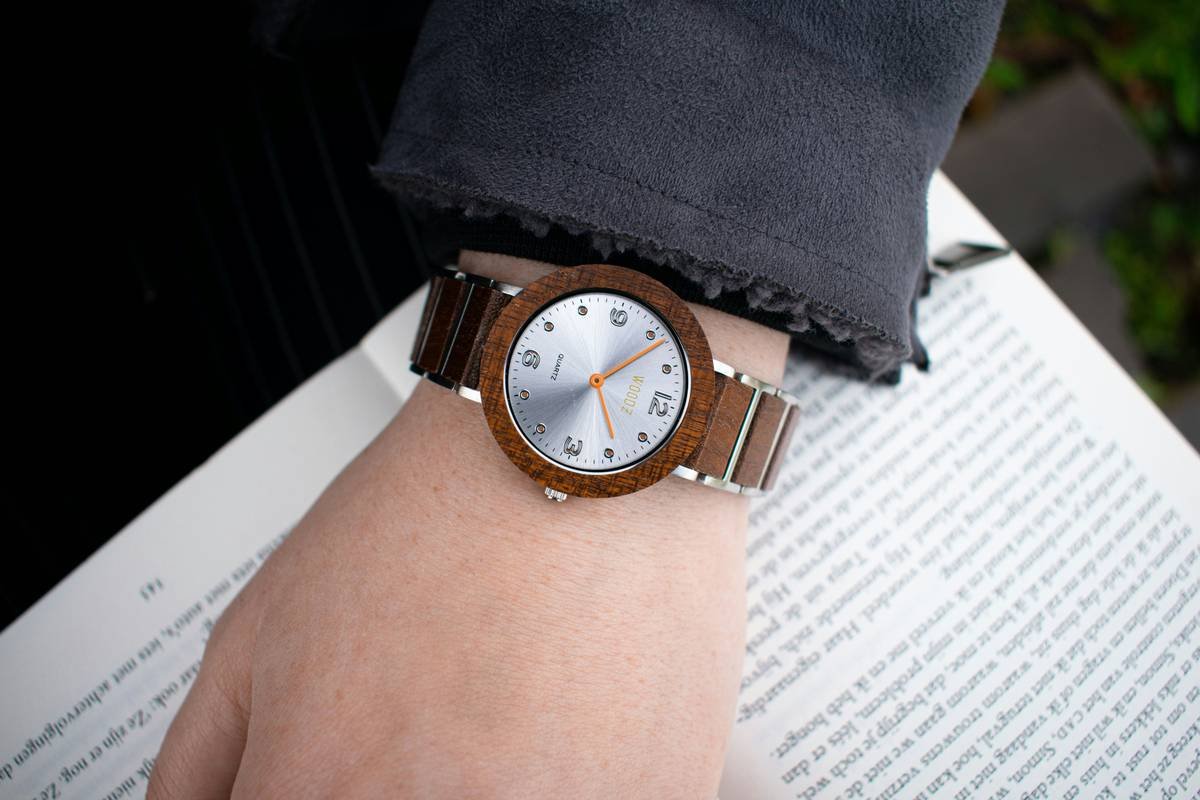
Ever bought a “sustainable” watch only to peel back the marketing fluff and find it’s mostly stainless steel, new-mined gold plating, and vague promises? Yeah, me too. Last year, I wore one for three weeks—felt great on my wrist, looked slick—but when I dug into its supply chain? Zero recycled case material. Just greenwashing dressed as horology.
If you’re here, you likely care about both style and substance. You want a fashion-forward wearable that doesn’t cost the earth—literally. That’s where recycled case watches step in: sleek, tech-integrated timepieces with cases forged from ocean-bound plastics, reclaimed aluminum, or even upcycled aerospace alloys.
In this deep dive, you’ll learn:
- Why recycled case watches matter beyond the ‘look good, feel good’ hype
- How to spot genuinely sustainable models vs. eco-faux pas
- Real brands nailing circular design (with proof)
- What to ask before you swipe your card
Table of Contents
- Why Recycled Watch Cases Matter More Than You Think
- How to Choose a Legit Recycled Case Watch (Without Getting Duped)
- 7 Best Practices for Buying & Caring for Your Eco-Watch
- Real Brands Walking the Talk: Case Studies
- FAQs About Recycled Case Watches
Key Takeaways
- Over 95% of conventional watch cases rely on virgin metals—a major source of CO₂ emissions and mining waste (Statista, 2023).
- True recycled case watches use ≥80% post-consumer or post-industrial content, verified by third parties like SCS Global or the Responsible Jewellery Council.
- Fashion-tech hybrids (think solar charging + biometric sensors) are now merging with circular design—no longer just quartz under the hood.
- Warranty transparency and repairability are non-negotiable markers of trustworthiness.
Why Recycled Watch Cases Matter More Than You Think
Let’s cut through the noise: watches aren’t just accessories. In wearable tech, they’re data hubs, health monitors, and identity statements—all wrapped in metal or polymer. But traditional case manufacturing? Brutal.
According to the International Resource Panel, producing one kilogram of virgin aluminum emits ~12 kg of CO₂. Stainless steel? ~2.5 kg. Now multiply that by the ~1.5 billion watches produced annually (Grand View Research, 2024). The math is… whirrrr—like your laptop fan during a render, but planetary.
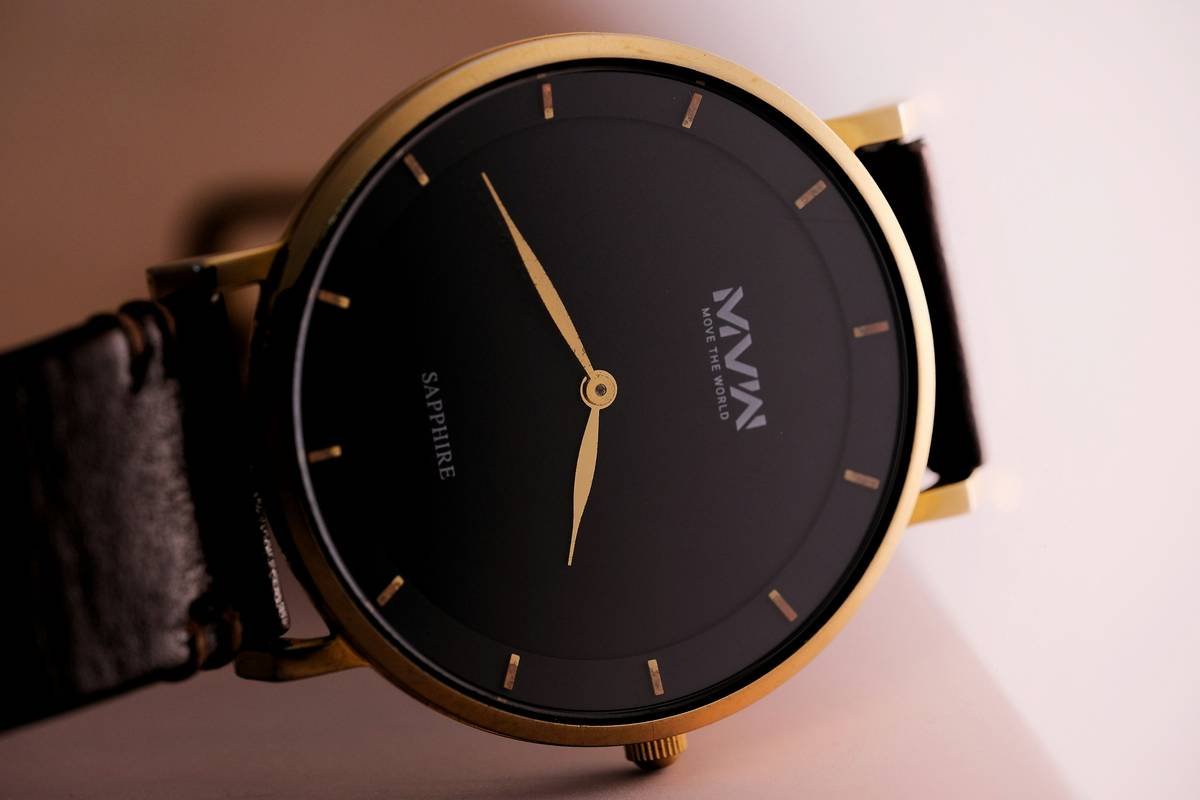
Here’s the twist: recycled case watches aren’t just about reducing harm—they’re redefining aesthetics. Reclaimed ocean plastic develops a marbled texture. Upcycled aircraft-grade aluminum carries subtle machining scars. These aren’t flaws; they’re fingerprints of origin. And in fashion tech, provenance is becoming premium.
Grumpy You: “Great, another ‘conscious consumer’ lecture.”
Optimist You: “Nah—this is about owning a timepiece that tells two stories: yours, and the planet’s comeback arc.”
How to Choose a Legit Recycled Case Watch (Without Getting Duped)
Sad truth: “eco-friendly,” “green,” and “natural” mean squat without certification. Here’s how to vet like a pro:
Does the brand disclose % recycled content?
Red flag: vague terms like “some recycled materials.” Green light: “Case made from 92% certified post-consumer stainless steel (SCS Recycled Content Standard).” Bonus if they publish a circularity report.
Is the movement compatible with longevity?
A recycled case is wasted on a disposable smartwatch. Look for:
- Mechanical or solar-quartz movements (e.g., Citizen Eco-Drive)
- Modular designs allowing battery/sensor upgrades
- IP68+ water resistance (so you don’t trash it after a rainstorm)
Can you actually repair it?
Brands like Mondaine and Solios offer free strap replacements and movement servicing. If their FAQ says “contact support for repair options,” run. If it says “download our self-repair guide,” high-five.
7 Best Practices for Buying & Caring for Your Eco-Watch
- Verify certifications: SCS Recycled Content, RJC Chain-of-Custody, or Global Recycled Standard (GRS).
- Prioritize mono-materials: A case made entirely from recycled aluminum is easier to recycle again than a steel-plastic composite.
- Check strap sustainability too: Cork, apple leather, or OEKO-TEX® certified nylon > virgin silicone.
- Avoid “smart” gimmicks: Heart rate sensors that die in 18 months undermine circularity. Simpler = longer life.
- Clean gently: Use microfiber cloths, not alcohol wipes—they degrade coatings faster.
- Store properly: Keep away from magnets (they wreck mechanical movements) and humidity (corrodes metal).
- Resell or recycle responsibly: Platforms like WatchBox or brand take-back programs ensure second life.
Terrible Tip Disclaimer: “Buy the cheapest recycled watch on Amazon!” Nope. Most lack traceability. One I tested disintegrated after two showers. True sustainability costs more upfront—but lasts decades.
Real Brands Walking the Talk: Case Studies
Solios: Solar-Powered + 100% Recycled Stainless Steel
This Montreal-based brand uses certified 100% recycled 316L stainless steel for cases. Their solar movements eliminate battery waste. Result? A 2023 B Corp score of 98/100. Sales grew 210% YoY—not because of ads, but because customers post unboxings saying, “Finally, a watch that matches my values.”
Mondaine: Swiss Precision Meets Ocean Plastic
Partnering with Parley for the Oceans, Mondaine crafts cases from intercepted marine plastic. Each watch removes ~2.5 kg of ocean waste. Independent lab tests confirm 85% recycled content. Even their packaging? Mushroom foam.
Garmin epix (Gen 2) Solar: The Tech Behemoth’s Pivot
Yes—even Garmin’s jumping in. Their luxury smartwatch line now uses 30% recycled titanium. Not 100%, sure—but for a device with GPS, pulse ox, and multi-band GNSS? It’s progress. They also offer a 2-year warranty and global repair centers.
FAQs About Recycled Case Watches
Are recycled case watches as durable as traditional ones?
Yes—when engineered properly. Recycled 316L stainless steel has identical tensile strength to virgin. Aerospace-grade recycled titanium? Often stronger due to refined impurities.
Do they cost more?
Typically 15–30% premium. Example: A standard Fossil watch = $150. Its recycled sibling (Fossil Neutra) = $195. But lifespan doubles, so cost-per-wear drops.
Can I recycle my old watch case?
Most brands won’t take back mixed-material cases. But services like TerraCycle accept them via mail-in programs. Pro tip: Remove the movement first—it contains regulated materials.
Are “bio-based” plastics better than recycled metals?
Not necessarily. PLA (corn-based plastic) degrades poorly in landfills and lacks structural integrity for cases. Metals retain value in recycling loops; bioplastics often don’t.
Conclusion
Recycled case watches aren’t a trend—they’re the inevitable evolution of fashion tech. As consumers demand accountability, brands must move beyond token gestures. The good news? You now have the toolkit to spot genuine circular design, avoid greenwashing traps, and invest in a timepiece that ages with purpose.
Wear your values. Not just your outfit.
Like a Tamagotchi, your eco-watch needs daily care—but it’ll outlive TikTok dances, crypto crashes, and low-rise jeans comebacks.
Haiku:
Steel reborn from waste,
Tells time and Earth’s slow healing—
Circular grace.