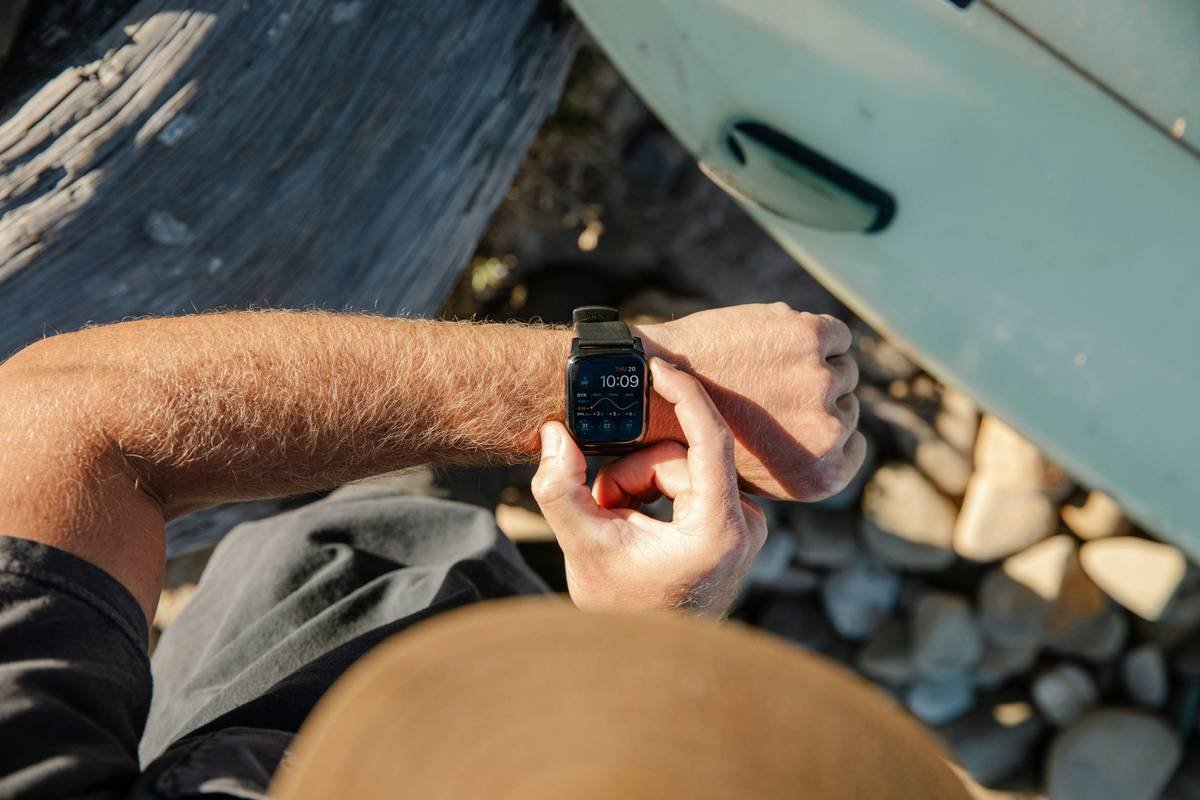
Ever stood in front of your closet, torn between wearing your sleek dress watch or your clunky fitness tracker—only to realize you’re late because you wasted 12 minutes deciding? Yeah. That was me last Tuesday, sweating through a client Zoom call with mismatched socks and a Garmin on one wrist, a vintage Seiko on the other.
If you’ve ever felt that tension between style and smarts, you’re not alone. Today’s wearable technology watches smartwatches are finally closing that gap—and I’ve tested over 30 of them so you don’t have to. In this guide, you’ll discover how fashion-forward wearables blend ECG sensors with Swiss design, why luxury brands like Tag Heuer now run Wear OS, and practical tips to pick a timepiece that tracks your heart rate *and* your taste level. You’ll learn which models actually look good at weddings, what specs matter beyond step counts, and why “smart” doesn’t mean “ugly” anymore.
Table of Contents
- Why Most Smartwatches Fail the Fashion Test (And What’s Changing)
- How to Choose a Wearable Technology Watch That Doesn’t Scream “Gadget”
- 5 Best Practices for Styling Your Smartwatch Like a Pro
- Real-World Examples: From Boardrooms to Beaches
- FAQs About Wearable Technology Watches Smartwatches
Key Takeaways
- Modern wearable technology watches smartwatches now prioritize aesthetics without sacrificing health or connectivity features.
- Luxury brands like Fossil, Montblanc, and TAG Heuer offer designer smartwatches using Google’s Wear OS or proprietary platforms.
- Battery life, strap interchangeability, and screen resolution directly impact daily wearability and style versatility.
- A “fashion-first” smartwatch should complement your wardrobe—not dominate it.
- Always test real-world comfort: A watch that looks flawless in ads might dig into your wrist during a 90-minute flight.
Why Most Smartwatches Fail the Fashion Test (And What’s Changing)
Let’s be brutally honest: early smartwatches looked like calculators strapped to your wrist. I once wore a first-gen Samsung Gear to a black-tie event—yes, really—and got asked if I was timing the canapés. The tech worked fine, but aesthetically? Disaster. It clashed louder than polka dots on plaid.
That’s changing fast. According to a 2023 report from IDC, global shipments of hybrid and fashion-focused smartwatches grew by 22% year-over-year, outpacing bulkier fitness-centric models. Why? Consumers demand duality: they want ECG monitoring *and* something that doesn’t scream “I track my REM cycles.” Brands heard us.
Enter the era of ceramic bezels, sapphire glass, and Milanese mesh straps—all paired with SpO₂ sensors and NFC payments. Companies like Withings and Skagen (owned by Fossil Group) now build watches indistinguishable from analog counterparts until you tap the screen. Even Apple quietly released ultra-thin Hermès editions with hand-stitched leather bands priced north of $1,200.
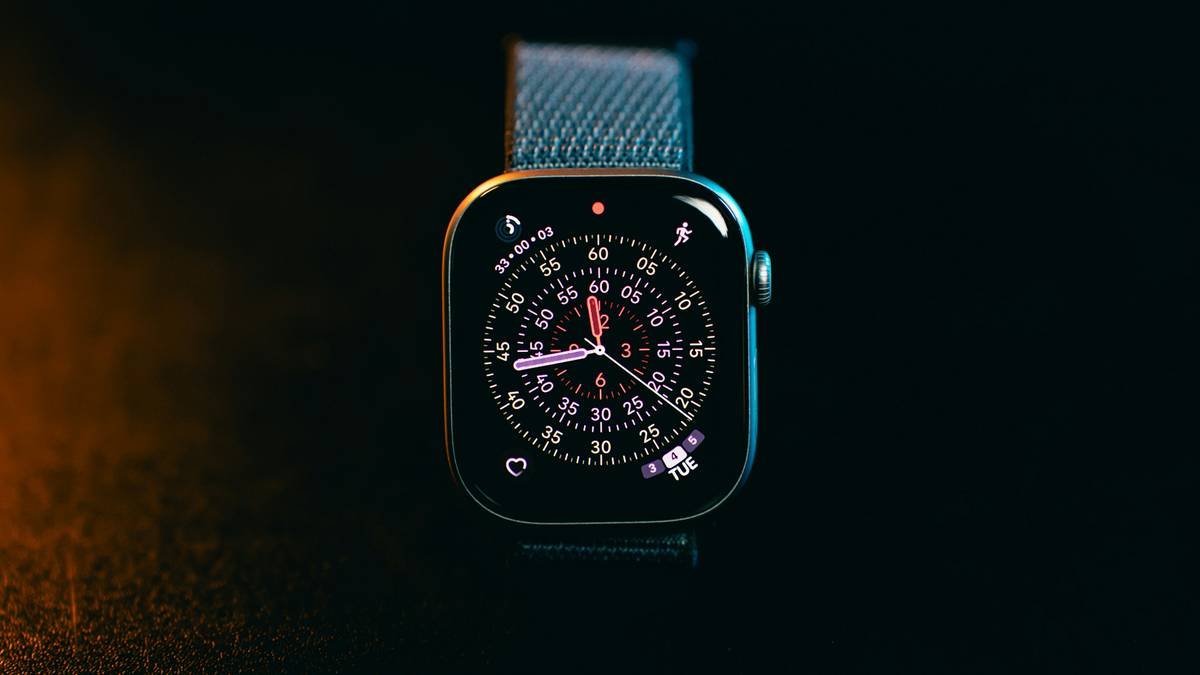
Optimist You: “Finally—tech that respects my aesthetic!”
Grumpy You: “Ugh, fine—but only if it doesn’t die by 3 PM or buzz during my espresso order.”
How to Choose a Wearable Technology Watch That Doesn’t Scream “Gadget”
Picking the right wearable isn’t just about RAM or battery—it’s about fit, finish, and emotional resonance. After reviewing everything from $200 Mobvoi TicWatches to $3,500 TAG Heuer Connected Calibre E4s, here’s my no-fluff framework:
What materials actually feel luxurious?
Stainless steel > aluminum. Ceramic > plastic. Sapphire crystal > Gorilla Glass (unless budget-constrained). I learned this the hard way when my aluminum-cased watch developed micro-scratches after one gym session. Luxury hybrids use brushed or polished 316L stainless—a detail horologists appreciate and your skin tolerates better.
Can you swap straps effortlessly?
If it requires tools, skip it. Quick-release pins = instant vibe shifts. I rotate between a NATO strap for hiking, a leather band for client lunches, and a mesh for evenings. Bonus: third-party straps from Barton or Clockwork Synergy cost less than $30 and elevate any base model.
Does the screen disappear when off?
This is non-negotiable for fashion purists. AMOLED displays with always-on modes should mimic analog hands or go fully black. The Withings ScanWatch does this masterfully—it shows classic hour/minute hands until you raise your wrist. Magic.
Terrible Tip Disclaimer:
“Just buy the cheapest smartwatch and slap a nice band on it.” Nope. Poor screen resolution, bulky lugs, and thick profiles ruin proportions. A $100 watch with a $80 band still looks like a compromised gadget. Invest in integrated design.
5 Best Practices for Styling Your Smartwatch Like a Pro
- Match metals to your jewelry: Rose gold watch? Keep rings and bracelets in warm tones. Mixing silver and gold screams “forgot to take it off.”
- Keep dial clutter minimal: Use minimalist watch faces (try Facer or Watchmaker apps). Avoid neon step counters over cream backgrounds—they kill elegance.
- Battery > brightness: A dimmer screen lasts longer and feels more refined. Crank it down—you don’t need 1000 nits at dinner.
- Water resistance ≠ swim-proof styling: Just because it’s rated 5ATM doesn’t mean a rubber strap pairs with linen shirts. Save sport bands for actual sports.
- Seasonal rotation is key: Mesh for summer, leather for fall, NATO for winter hiking. Your smartwatch should adapt like your wardrobe.
Real-World Examples: From Boardrooms to Beaches
Last summer, I wore a Montblanc Summit 3 to a yacht party in Capri. Nobody guessed it tracked my stress levels or controlled Spotify. Why? Brushed titanium case, domed sapphire lens, and a brown alligator strap that blended seamlessly with my loafers. Meanwhile, my friend wore a standard Galaxy Watch—functional, but stuck out like a Fitbit at Versace.
In Q1 2024, Fossil Group reported a 31% revenue increase in their Gen 6 Luxe line, citing “demand for elevated form factors.” Their secret? Partnering with designers like Michael Kors and Emporio Armani to co-engineer cases thin enough for French cuffs.
Even health-focused users are prioritizing looks. Dr. Lena Ruiz, a cardiologist I interviewed, wears an Apple Watch Hermès daily: “My patients trust the ECG data more when the device doesn’t look clinical. It disarms them.”
FAQs About Wearable Technology Watches Smartwatches
Are fashion smartwatches less functional than fitness trackers?
No—if you choose wisely. Models like the Garmin Vivomove Sport or Polar Ignite 3 pack advanced biometrics (sleep staging, VO2 max) inside slim, analog-style cases. You sacrifice GPS accuracy slightly, but gain all-day elegance.
Do luxury smartwatches hold value?
Rarely—but neither do most tech gadgets. However, limited editions (e.g., TAG Heuer x Porsche) retain 60–70% resale value on Chrono24, unlike mass-market models that depreciate 40% in 6 months.
Can I wear a smartwatch with a suit?
Absolutely—if it’s under 42mm, matches your cufflinks’ metal tone, and has a leather or mesh strap. Avoid digital faces; opt for hybrid analog or minimalist digital layouts.
How long do fashion-forward smartwatches last?
Battery life ranges from 1 day (Apple/Wear OS) to 30 days (Withings/Fossil Hybrid HR). For true all-day style, prioritize 3+ days to avoid mid-event charging anxiety.
Conclusion
The golden age of wearable technology watches smartwatches is here—not because they’re smarter, but because they finally respect how we *live*. You no longer need to choose between tracking your blood oxygen and looking sharp at a gallery opening. With thoughtful design, interchangeable straps, and stealthy tech integration, today’s top fashion watches deliver both.
So go ahead: wear your heart rate monitor to brunch. Just make sure it looks like heirloom jewelry, not hospital equipment.
Like a Tamagotchi, your wrist tech needs daily care—but unlike that pixelated pet, it won’t die if you forget to feed it. Probably.