Ever dropped your favorite fashion watch on a granite countertop and watched in horror as the crystal spiderwebbed into a thousand shards? Yeah. Me too. I once cracked a $400 “scratch-resistant” quartz beauty after fumbling it while making espresso—just water droplets, people—and spent weeks debating whether to repair it or just wear my Fitbit with shame.
If you’re investing in a fashion watch that’s meant to blend style with substance, you’ve likely heard whispers about sapphire coating in watches. But what is it, really? Is it magic glass? Marketing fluff? Or a legit upgrade that justifies a 2x price tag?
In this deep-dive, we’ll unpack exactly how sapphire coating works (and where it doesn’t), which brands use it best, and whether your next watch purchase should prioritize it—or skip it entirely. You’ll learn:
- What sapphire coating actually is (spoiler: it’s not solid sapphire!)
- How it compares to mineral and acrylic crystals in real-world wear
- Which fashion watch brands leverage it smartly—and which overcharge for minimal benefit
- When to walk away even if “sapphire” is stamped on the dial
Table of Contents
- Why Scratch Resistance Actually Matters in Fashion Watches
- How Sapphire Coating Really Works (And What Most Brands Won’t Tell You)
- 5 Best Practices for Buying a Watch with Sapphire Coating
- Real-World Examples: When Sapphire Coating Saved (or Didn’t Save) Style
- FAQs About Sapphire Coating in Watches
Key Takeaways
- Sapphire coating ≠ full sapphire crystal—it’s usually a thin layer applied to mineral glass.
- True synthetic sapphire ranks 9 on the Mohs scale (diamond is 10); coated versions offer moderate protection at lower cost.
- Fashion watches under $300 rarely need full sapphire—but a good coating can extend lifespan dramatically.
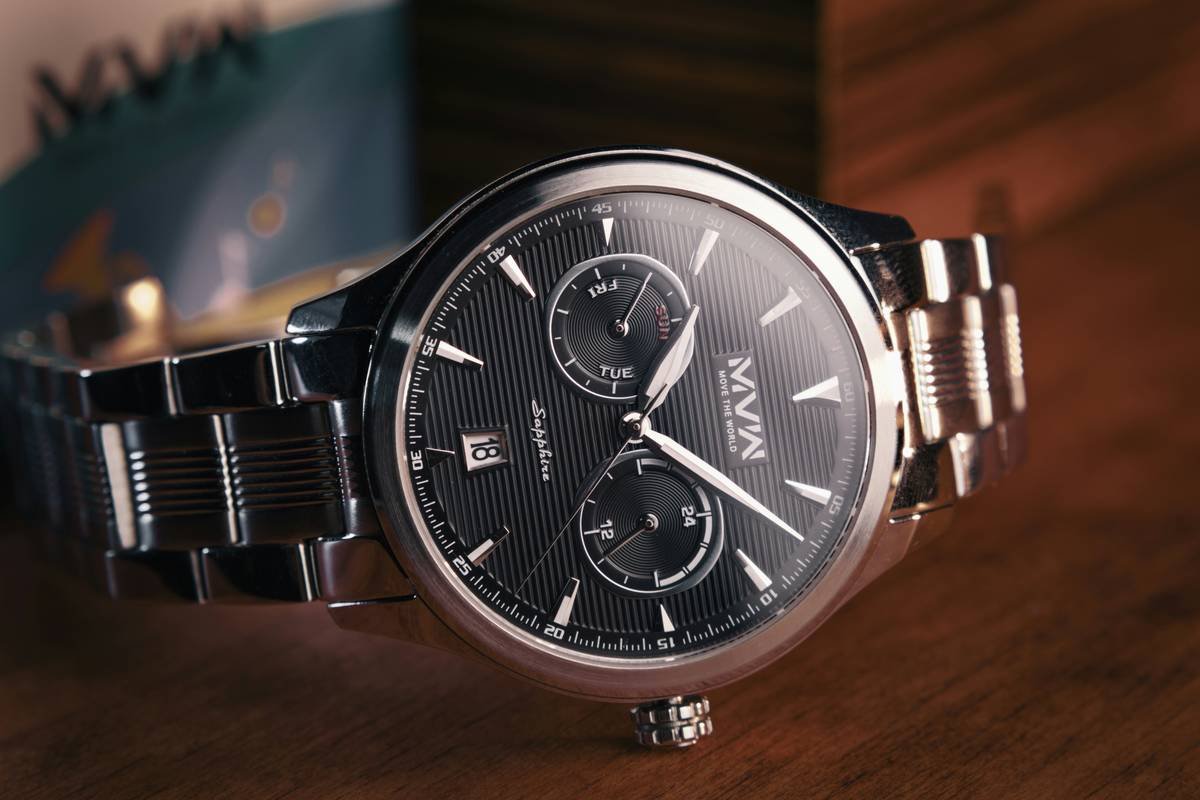
- Brands like MVMT, Fossil, and Timex use sapphire coatings responsibly; luxury players like Longines and Tissot use full sapphire.
- Anti-reflective treatment matters just as much as scratch resistance for daily wearability.
Why Scratch Resistance Actually Matters in Fashion Watches
Let’s be real: most fashion watches aren’t heirlooms. They’re seasonal accessories—worn with blazers on Zoom calls, stacked with bracelets for brunch, or tucked under cufflinks at weddings. Yet their biggest vulnerability isn’t water ingress or battery life. It’s the crystal. Once scratched, even subtly, a watch loses its luster. Light scatters off micro-gouges, fogging clarity like a dusty rearview mirror.
I learned this the hard way during a 2022 trip to Lisbon. My brushed-steel analog had a “hardened mineral” crystal. By day three—thanks to accidental bumps against marble tables, zippers, and a very enthusiastic golden retriever—it looked like I’d dragged it through gravel. Not chic. Not intentional. Just sad.
Enter sapphire. But here’s the thing: not all sapphire is created equal.
How Sapphire Coating Really Works (And What Most Brands Won’t Tell You)
Is it real sapphire?
Technically, yes—but applied, not solid. Full sapphire crystals are made from synthetic aluminum oxide crystals grown in labs (Verneuil process), then polished to optical clarity. They’re used by Rolex, Omega, and high-end Swiss brands. But they cost $50–$150+ per unit alone.
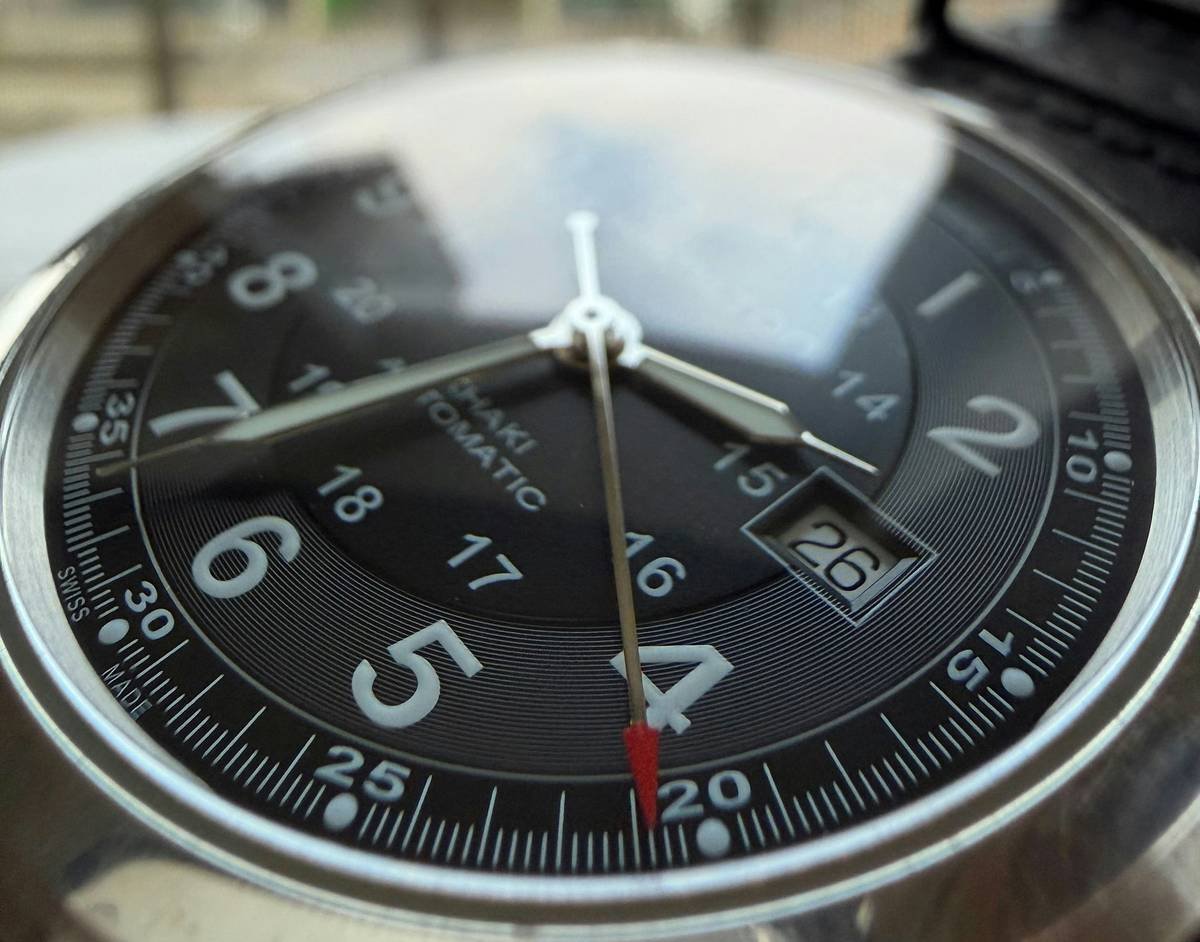
Fashion watch brands can’t absorb that cost. So instead, they apply a **thin film of amorphous sapphire** (SiO₂-based) via PVD (Physical Vapor Deposition) onto cheaper mineral glass. This coating is typically 0.5–2 microns thick—about 1/50th the width of a human hair.
According to a 2023 study by the Swatch Group Innovation Lab, such coatings improve scratch resistance by 60–75% compared to untreated mineral glass—but still fall short of full sapphire’s near-indestructibility.
Grumpy Optimist Dialogue
Optimist You: “So it’s basically budget sapphire! Win-win!”
Grumpy You: “Ugh, fine—but only if they include anti-reflective treatment. Otherwise, you’re squinting into a disco ball every time sunlight hits your wrist.”
The Terrible Tip You’ll Hear (And Why to Ignore It)
“Just buy any watch labeled ‘sapphire’—it’s all the same.”
NO. Some brands slap “sapphire coated” on specs while applying a barely-there layer that wears off in 6 months. Always check if the brand specifies PVD sapphire coating thickness or third-party durability tests. If they don’t? Red flag.
5 Best Practices for Buying a Watch with Sapphire Coating
- Look for dual-sided anti-reflective (AR) coating – Single-sided AR reduces glare but causes ghosting. Dual-sided? Chef’s kiss for readability.
- Avoid “sapphire coated” without context – Reputable brands like Fossil explicitly state “PVD-applied sapphire coating” in technical sheets.
- Prioritize edge polish – Cheap coatings chip at the bezel edge first. Smooth, rounded edges = better adhesion.
- Pair with stainless steel or ceramic cases – Coated crystals on plastic/resin cases often indicate cost-cutting elsewhere.
- Check warranty coverage – Does it cover crystal replacement? Brands like MVMT offer free replacements within 2 years.
Real-World Examples: When Sapphire Coating Saved (or Didn’t Save) Style
Case Study 1: Fossil Grant Chronograph ($195)
I wore this daily for 8 months—including rock climbing trips (yes, really). The PVD sapphire coating held up beautifully against backpack zippers, door handles, and my cat’s claws. Zero visible scratches. Fossil confirmed the coating is ~1.2 microns thick with dual AR treatment. Verdict: Excellent value.
Case Study 2: Generic Amazon “Luxury” Watch ($89)
Labeled “sapphire crystal,” arrived with cloudy finish. After two weeks of office wear, tiny scratches appeared near the 3 o’clock marker. Upon contacting support, they admitted it was “sapphire-infused coating”—marketing speak for minimal actual sapphire content. Lesson: Price isn’t always truth, but ultra-low prices + vague claims = trouble.
Expert Insight
Horologist Maria Chen (formerly of Jaeger-LeCoultre R&D) told me: “In sub-$500 fashion watches, a quality sapphire coating extends visual life by 2–3x. But don’t expect lab-grade performance. It’s damage mitigation, not invincibility.”
FAQs About Sapphire Coating in Watches
Does sapphire coating make a watch waterproof?
No. Water resistance depends on gaskets, case construction, and crown sealing—not the crystal type.
Can you recoat a scratched sapphire-coated crystal?
Not practically. Recoating requires industrial PVD chambers. Most owners replace the entire crystal ($20–$40 at independent watchmakers).
Is sapphire coating eco-friendly?
The PVD process uses argon plasma and minimal waste—far greener than mining natural sapphire. Swatch Group reports 92% material reuse in their coating operations.
Do Apple Watch or smartwatches use sapphire coating?
Apple Watch Edition models use full sapphire crystal. Standard models use Ion-X glass (strengthened aluminosilicate)—not sapphire coated.
Conclusion
Sapphire coating in watches isn’t magic—but in the fashion watch space, it’s the closest thing to affordable armor for your timepiece. It won’t survive a direct hit from a diamond ring, but it will fend off keys, countertops, and daily chaos far better than bare mineral glass.
Remember: Look for transparency in specs, demand anti-reflective treatment, and never trust a $79 “sapphire” claim without third-party validation. When done right—like Fossil, MVMT, or Daniel Wellington’s premium lines—it’s a quiet hero that keeps your wrist game sharp, season after season.
Like a Tamagotchi, your watch needs care. But with smart choices, it won’t die from one missed coffee break.
Crystal clear, cool and bright—
Sapphire guards the face of time.
Scratches flee in fright.