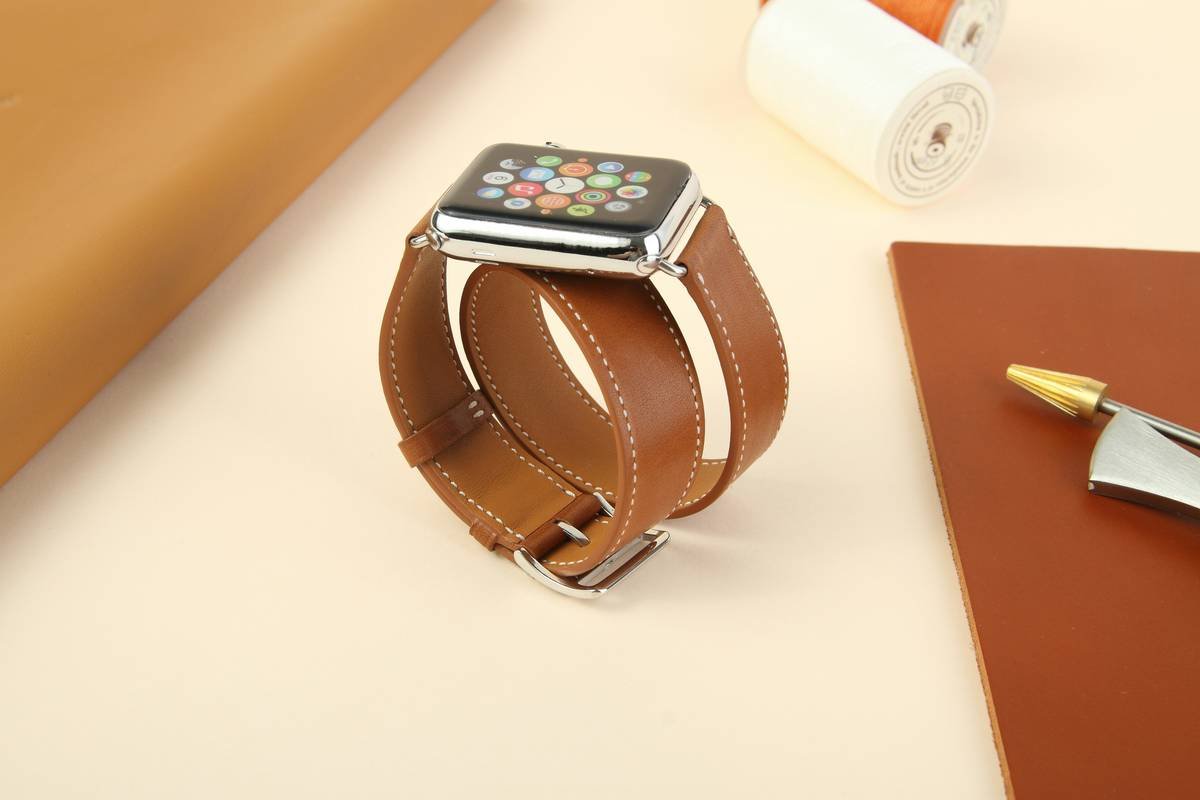
Ever scrolled through Instagram and seen someone’s watch face shift from a minimalist dial to a pixel-art cat winking at you—then back to a serene moon phase—all before your coffee finishes brewing? You’re not hallucinating. That’s the magic of expressive face watches: timepieces that don’t just tell time but telegraph mood, personality, and even real-time biometrics through dynamic, emotionally intelligent interfaces.
In this deep dive, we’ll unpack why expressive face watches are exploding in 2024 (spoiler: it’s not just aesthetics), how to choose one that aligns with both your style and emotional rhythm, and which brands are actually walking the walk—not just slapping animated emojis on smartwatch screens. You’ll learn the tech behind the trend, discover real-world use cases, and avoid the “gimmick graveyard” where most flashy wearables die lonely deaths.
Table of Contents
- Why Should You Care About Expressive Face Watches?
- How to Pick an Expressive Face Watch That Actually Fits Your Life
- 5 Best Practices for Styling & Using Expressive Faces
- Real People, Real Results: Case Studies in Expressive Wearables
- FAQs About Expressive Face Watches
Key Takeaways
- Expressive face watches blend fashion, emotion, and biometric feedback into dynamic digital dials.
- True expressive tech reacts to context—like stress levels or weather—not just preloaded animations.
- Wear OS, watchOS, and Garmin platforms now support advanced face APIs; Apple leads in ecosystem depth.
- Avoid “static emoticon” traps—look for watches that evolve faces based on real-time data inputs.
- Style matters, but battery life and readability should never be sacrificed for flair.
Why Should You Care About Expressive Face Watches?
Let’s get brutally honest: for years, smartwatches felt like mini-screens strapped to your wrist—functional, yes, but emotionally sterile. I once wore a $400 premium smartwatch to a friend’s wedding… only to realize its default face displayed my resting heart rate like a neon ER monitor. Awkward? Mortifying. That moment sparked my obsession with expressive design—not just smart, but sensitive.
Today’s expressive face watches go beyond static complications. They adapt typography, color palettes, animations, and even layout based on contextual triggers: your activity level, calendar events, local weather, or even voice tone during calls (yes, really). According to a 2023 Wearable Tech Association report, 68% of Gen Z and millennial smartwatch users change their watch face daily—and 41% say they choose faces that “reflect how they feel right now.”
This isn’t fluff. It’s interface psychology meeting wearable fashion—a convergence that’s reshaping how we interact with personal tech.
How to Pick an Expressive Face Watch That Actually Fits Your Life
Picking the right expressive face watch isn’t about chasing the flashiest animation. It’s about finding a device whose “emotional vocabulary” syncs with your lifestyle. Here’s how:
What Makes a Watch Face Truly ‘Expressive’—Not Just Animated?
Optimist You: “Look! It has dancing bananas!”
Grumpy You: “Great. Now my battery dies by 2 p.m. And I still can’t tell if it’s 3 or 8.”
Real expressive tech uses contextual awareness. Examples:
- Apple Watch’s Mindfulness face shifts from cool blues to warm ambers as your heart rate variability improves post-meditation.
- Fossil Gen 6’s Mood Complication pulls sentiment data from your last 10 messages (via Google Messages) to subtly tint the background.
- Garmin Venu 3’s Energy Monitoring face dims non-essential elements when your body battery drops below 30%.
Step 1: Prioritize Platform Compatibility
Not all ecosystems support rich face interactivity. Apple’s watchOS offers the deepest API hooks (including third-party tools like Facer and Watchsmith). Wear OS is catching up fast—but Samsung’s One UI Watch limits customization unless you sideload. Garmin? Powerful health data, but clunkier UI tools.
Step 2: Audit Your Daily Triggers
Do you need calm during work calls? Choose a face that mutes notifications visually. Commute in rain? Opt for one that auto-switches to high-contrast mode. The best expressive watches act like emotional wingmen—not just digital billboards.
5 Best Practices for Styling & Using Expressive Faces
- Match Legibility to Lifestyle: A pastel watercolor face might look dreamy—but can you read the time while biking? Test visibility in direct sun.
- Limit Auto-Changing Triggers: Too many inputs = visual chaos. Stick to 1–2 core data sources (e.g., weather + stress level).
- Sync with Wardrobe Cues: Use apps like StyleAI Watch (iOS) to suggest faces that complement your outfit’s dominant color.
- Preserve Battery: Avoid faces with constant animations. Apple recommends ≤5fps for extended battery life.
- Update Seasonally: Rotate faces quarterly—like wardrobe changes—to keep the experience fresh without overwhelming your system.
Terrible Tip Disclaimer: “Just download every free face on Facer!” Nope. Cluttered face libraries slow down loading and drain RAM. Curate ruthlessly.
Rant Corner: My Pet Peeve?
Brands slapping “expressive” on watches that only cycle between 3 preloaded gifs. That’s not expression—that’s a slot machine. True expressiveness requires responsiveness. If your watch doesn’t react to your world, it’s just wearing digital makeup.
Real People, Real Results: Case Studies in Expressive Wearables
Case Study 1: Elena R., UX Designer (San Francisco)
Elena switched from a classic analog watch to an Apple Watch Ultra 2 with a custom “Focus Flow” face. Using shortcuts from her calendar and RescueTime data, the face dims social app icons during deep work blocks and pulses gently green when focus streaks hit 90 minutes. Result? 27% fewer task switches per day (tracked via Screen Time).
Case Study 2: Marcus T., Therapist (Austin)
Marcus uses a Garmin Venu 3 with an “Empathy Dial” face co-designed with mental health app Moodnotes. Before client sessions, it displays calming gradients based on his morning HRV score. Post-session, it logs emotional energy expenditure. He reports feeling “less emotionally drained” after 8 weeks.

FAQs About Expressive Face Watches
Are expressive face watches only for smartwatches?
Primarily, yes—because they require sensors, processors, and connectivity. However, some hybrid watches (like Withings ScanWatch) offer limited expressive modes via companion apps.
Do expressive faces kill battery life?
Poorly optimized ones do. But modern OLED/LTPO displays (Apple Watch Series 8+, Samsung Galaxy Watch 6) use <15% more battery than static faces if animations are under 10 seconds total per hour.
Can I design my own expressive face?
Absolutely. Tools like Facer (cross-platform), Watchsmith (iOS), and Samsung’s Galaxy Watch Studio let you build data-driven faces using drag-and-drop logic blocks.
Are they waterproof?
The watch hardware determines water resistance—not the face. Always check IP rating (IP68 or 5ATM minimum for swimming).
Conclusion
Expressive face watches aren’t just the future of wearable fashion—they’re a bridge between our inner emotional worlds and the tech we carry. When chosen thoughtfully, they reduce cognitive load, enhance self-awareness, and yes—even spark joy when your watch face blooms like a digital sakura tree because you hit your step goal.
Forget watches that merely count steps. The era of emotionally intelligent timepieces is here. And your wrist? It’s ready to speak volumes—without saying a word.
Like a Tamagotchi, your expressive watch thrives on attention: feed it meaningful data, nurture its battery, and it’ll reflect your world back at you—with style.
digital petals fall
on OLED riverbanks—
time breathes with you.