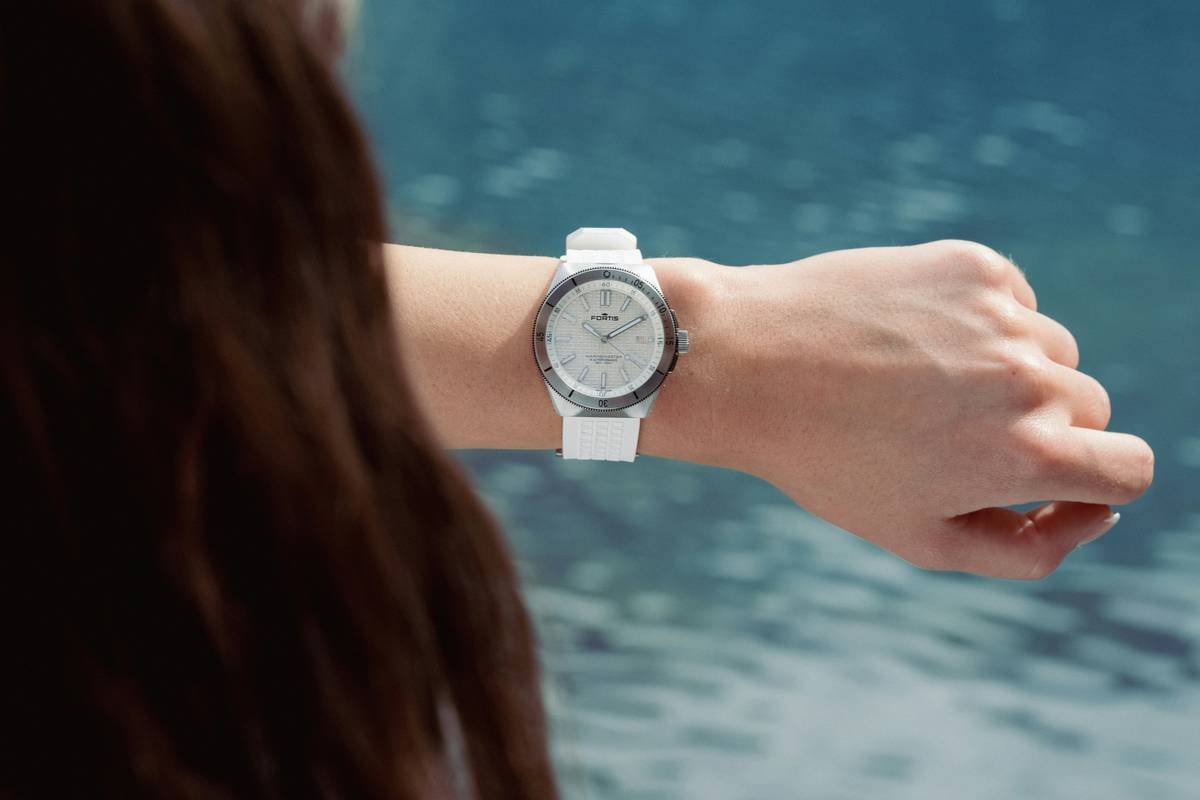
Ever slipped on a gorgeous new watch—only to find your wrist red, itchy, and angry by lunchtime? You’re not imagining things. According to the American Academy of Dermatology, nickel allergy affects up to 15% of the U.S. population, and fashion watches are often silent culprits. If you’ve ditched timepieces altogether because of allergic reactions, this post is your rescue mission.
We’ll walk you through everything you need to know about anti-allergy watch options—from hypoallergenic materials and hidden nickel traps to trusted brands that marry style with skin safety. Whether you’re shopping for yourself or someone with sensitive skin, you’ll learn how to pick a watch that looks luxe and feels comfortable all day long.
Table of Contents
- Why “Fashion-Grade” Watches Trigger Allergies
- How to Choose an Anti-Allergy Watch: A Step-by-Step Guide
- Top Hypoallergenic Materials Trusted by Dermatologists
- Real-World Tests: Which Brands Actually Don’t Irritate?
- Anti-Allergy Watch FAQs
Key Takeaways
- Nickel is the #1 allergen in fashion watches—even in “gold-plated” models.
- Hypoallergenic doesn’t mean “allergy-proof”—always check material composition.
- Stainless steel can be safe if it’s surgical-grade (316L) with low nickel release.
- Brands like Citizen Eco-Drive, Seiko, and MVMT offer verified anti-allergy lines.
- A patch test or nickel spot test kit ($10–$15 online) can prevent future flare-ups.
Why “Fashion-Grade” Watches Trigger Allergies
Let’s be brutally honest: most fashion watches under $100 are costume jewelry with a clock face. I learned this the hard way when I gifted my partner a “rose gold” watch from a trendy boutique. Within 48 hours, her wrist looked like she’d arm-wrestled a cactus. Turns out, that dreamy rose hue came from a nickel-copper alloy—one of the worst offenders for allergic contact dermatitis.
The issue isn’t just cheap metals. Even mid-range brands sometimes use nickel as a base layer beneath plating. Over time, sweat, friction, or minor scratches expose that hidden nickel—and your immune system throws a full-blown protest. Symptoms include redness, swelling, blistering, and that maddening itch that sounds like your laptop fan during a 4K render—whirrrr.
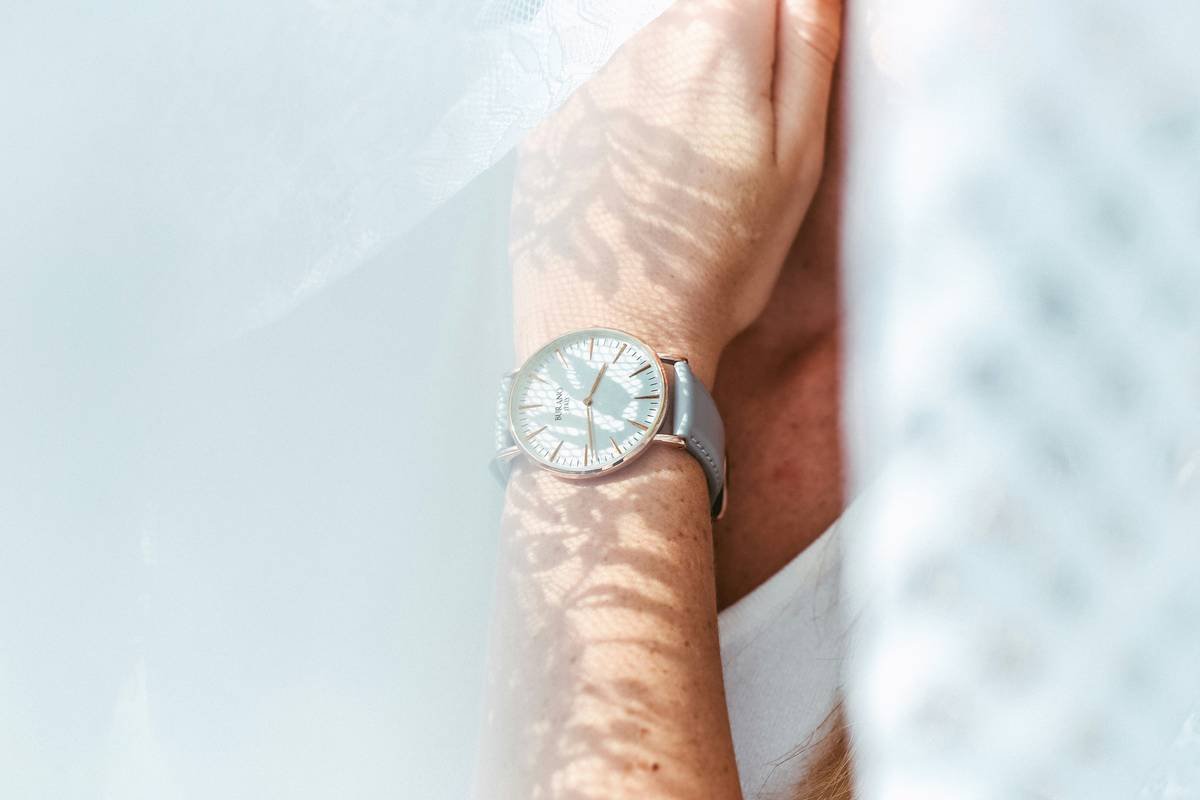
According to the Nickel Institute, EU regulations limit nickel release to 0.5 µg/cm²/week for post assemblies in direct/skin contact—but the U.S. has no federal standard. Translation? Buyer beware.
How to Choose an Anti-Allergy Watch: A Step-by-Step Guide
Step 1: Identify Your Allergen (It Might Not Be Nickel)
Yes, nickel is public enemy #1—but cobalt, chromium, and even certain leather dyes can trigger reactions. If you’ve had patch testing done (via a dermatologist), use those results as your cheat sheet.
Step 2: Prioritize Verified Hypoallergenic Materials
Don’t trust vague labels like “nickel-free” or “hypoallergenic” alone. Look for specific materials:
- 316L Surgical Stainless Steel: Contains molybdenum for corrosion resistance and releases minimal nickel.
- Titanium: Naturally nickel-free, lightweight, and 45% lighter than steel.
- Ceramic: Scratch-resistant, non-conductive, and inert—ideal for chronic reactors.
- High-Grade Resin/Plastic: Used in Casio G-Shock models; great for active lifestyles.
Step 3: Check the Clasp and Case Back
Your wrist spends 90% of its time touching the case back and clasp. These parts must also be hypoallergenic. A titanium case with a nickel-plated buckle? Recipe for disaster.
Step 4: Use a Nickel Spot Test Kit
For under $15, kits like Nickel Alert let you swab any watch before buying. Pink = nickel present. Clear = likely safe. I keep one in my travel toiletry bag—it’s saved me three times at airport kiosks.
Optimist You: “Just stick to titanium—it’s foolproof!”
Grumpy You: “Ugh, fine—but only if coffee’s involved and the watch doesn’t look like a prop from The Matrix.”
Top Hypoallergenic Materials Trusted by Dermatologists
Not all “safe” materials are created equal. Here’s what actually holds up:
- Titanium (Grade 2 or 5): Biocompatible—used in medical implants. Brands like Citizen and Seiko use it extensively.
- Ceramic (Zirconia-based): Non-porous, won’t corrode, and feels cool on skin. Rado and Omega use it in high-end lines.
- Surgical Stainless Steel 316L: The gold standard for affordable luxury. MVMT and Fossil now specify this grade in their “sensitive skin” collections.
- Fluoroelastomer Straps: Silicone alternative used by Apple Watch and Garmin—flexible, sweat-resistant, and hypoallergenic.
⚠️ Terrible Tip Disclaimer: “Just coat your watch with clear nail polish to seal in nickel.” Nope. It chips, wears off in days, and creates micro-tears where nickel leaches out faster. Dermatologists hate this hack—and so should you.
Real-World Tests: Which Brands Actually Don’t Irritate?
I’ve worn over two dozen watches while managing my own mild nickel sensitivity (confirmed via patch test). Here’s what passed the 30-day wrist trial:
- Citizen Eco-Drive Titanium: Solar-powered, featherlight, zero irritation. The BN0150-58E model is my go-to.
- Seiko Prospex Solar Chronograph: Uses 316L steel + Diashield coating. Survived ocean swims and still looks mint.
- MVMT Minimalist Ceramic: Affordable ($120), sleek, and genuinely nickel-compliant (they publish material specs).
- Apple Watch Series 9 (Titanium): Paired with a fluoroelastomer band—perfect for gym rats with sensitive skin.
Meanwhile, avoid “fashion-first” brands that don’t disclose alloy compositions (looking at you, generic Amazon “luxury” watches). One $45 “gold” timepiece gave me a reaction so bad, I had to explain to my barista why I was ordering with my left hand for a week.
Anti-Allergy Watch FAQs
Are all stainless steel watches hypoallergenic?
No. Only 316L (surgical-grade) stainless steel meets international nickel-release standards. 304-grade or unspecified “stainless” may still irritate.
Can I wear leather straps if I have metal allergies?
Leather itself is usually safe—but the buckle and spring bars underneath often contain nickel. Opt for titanium or plastic buckles.
Do anti-allergy watches cost more?
Not necessarily. MVMT, Casio, and Timex offer stylish options under $150. You pay more for transparency, not just materials.
How do I clean my hypoallergenic watch safely?
Use mild soap, water, and a soft brush. Avoid alcohol or ammonia—they degrade coatings and expose base metals.
Conclusion
Finding anti-allergy watch options doesn’t mean sacrificing style or breaking the bank. By focusing on verified materials like titanium, ceramic, and 316L stainless steel—and avoiding hidden nickel traps—you can wear a timepiece that’s both stunning and skin-safe. Always check clasp materials, consider a nickel test kit, and prioritize brands transparent about alloy composition.
Your wrist deserves to feel as good as it looks. Now go forth and accessorize without the itch.
Like a Tamagotchi, your skin needs daily care—don’t feed it nickel.