“Ever bought a sleek fashion watch, only to see its finish fade faster than your New Year’s resolutions?” Yeah, us too. That glossy sheen you adored? Turns into a patchy mess after months of wear—and that’s where PVD coating technology swoops in like a knight in shining armor (literally). But what even is PVD, and how does it make your watches last longer without losing their charm? Let’s dive deep into this game-changing innovation.
In this post, we’ll explore why PVD coating technology is a must-know for anyone obsessed with wearable tech and fashion watches. You’ll learn:
- What exactly PVD coating is.
- Why it’s transforming the durability and aesthetics of fashion watches.
- Actionable tips on choosing the best PVD-coated watches.
- Real-world examples proving its worth.
Table of Contents
- Introduction to PVD Coating Technology
- The Problem: Why Watch Finishes Fail So Fast
- Step-by-Step: How PVD Coating Works Wonders
- Tips for Choosing PVD-Coated Watches
- Examples & Case Studies
- FAQs About PVD Coating Technology
Key Takeaways
- PVD coating enhances watch longevity by resisting scratches, tarnish, and fading.
- It offers vibrant colors while maintaining eco-friendly standards compared to traditional plating methods.
- Not all “PVD” claims are equal—know what to look for when shopping!
Introduction to PVD Coating Technology
PVD coating technology, short for Physical Vapor Deposition, isn’t some futuristic sci-fi concept—it’s real, practical, and here to save your style game. This process involves vaporizing metal materials in a vacuum chamber to create an ultra-thin layer over surfaces. The result? A durable, scratch-resistant finish that looks as good as new for years.
This cutting-edge method doesn’t just protect; it elevates design possibilities, giving fashion watches shades and textures previously unimaginable. Think rose gold hues so rich they rival sunset skies or black finishes darker than your favorite coffee roast.
The Problem: Why Watch Finishes Fail So Fast
Picture this: You saved up for weeks to buy that dreamy rose-gold smartwatch. It dazzled in photoshoots and turned heads at parties. Then reality hit—a mere water splash left marks, sweat dulled its shine, and daily use introduced hairline scratches faster than blinking.
Here’s the brutal truth: Traditional electroplating used in many affordable watches simply can’t withstand modern lifestyles. And let me confess—I once splurged on a shiny stainless steel piece thinking I was getting indestructible quality… until acid rain (yes, really) stripped off half its color within months. Lesson learned—the hard way.
Step-by-Step: How PVD Coating Works Wonders
Optimist You: “But how does PVD actually work?”
Grumpy Me: *Ugh, fine—but grab snacks because science.*
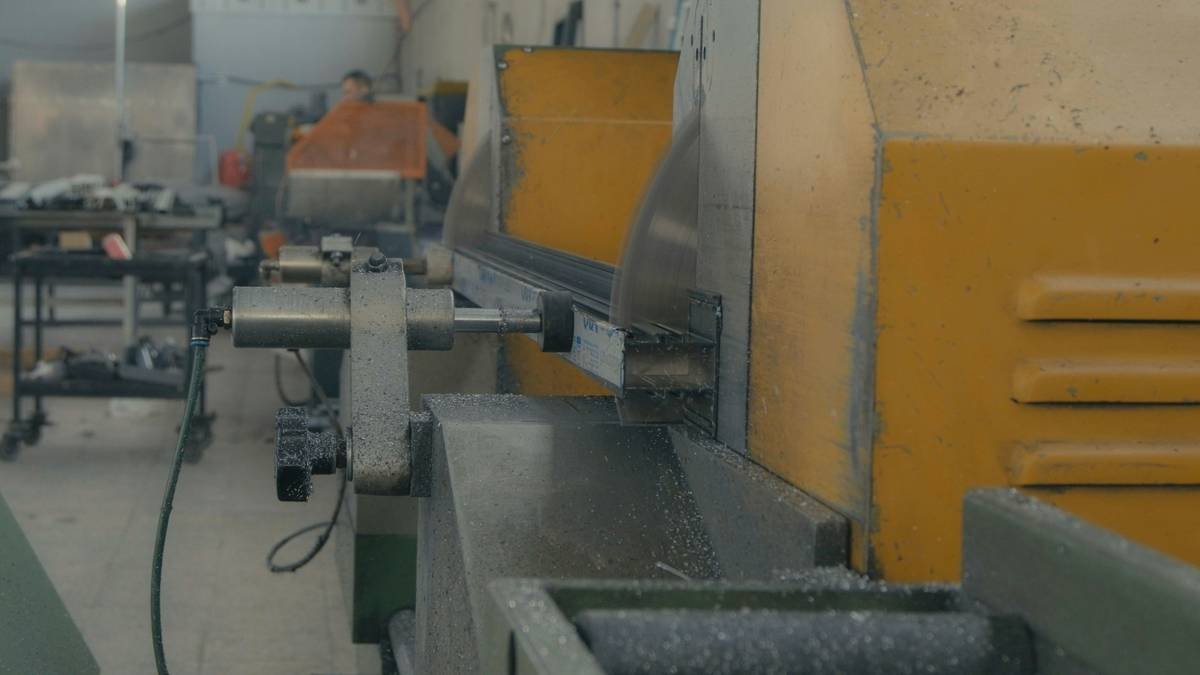
- Vacuum Chamber Magic: Components go inside a super-clean vacuum chamber—no air, no impurities.
- Metal Vaporization: Titanium, zirconium, or other metals are heated until they evaporate, forming gas.
- Condensation Layering: These metal vapors condense onto the watch surface atom-by-atom, creating an insanely thin yet robust shield.
- Color Customization: By tweaking gases like nitrogen during the process, you get unique shades without compromising strength.
The outcome? A protective layer 20 times stronger than conventional coatings. Feels satisfyingly sciency, right?
Tips for Choosing PVD-Coated Watches
Ready to level up your wardrobe? Keep these golden rules in mind:
- Look Beyond Marketing Fluff: Not every brand slapping “PVD” on labels delivers true quality. Research brands known for authentic implementation.
- Prioritize Thickness: Thicker layers mean more protection but may add slight weight. Balance based on preference.
- Check Color Consistency: Authentic PVD coatings have razor-sharp hues. If it seems uneven under light, run!
- Beware Budget Bait: Sure, cheaper options exist—but remember my acid rain fiasco? Don’t skimp if you want lasting brilliance.
Examples & Case Studies
Luxury giants like Rolex and TAG Heuer swear by PVD technology, using it across collections to ensure unparalleled resilience. Take Rolex’s Deepsea Sea-Dweller, which combines PVD-treated components with sapphire crystals for peak performance underwater. Similarly, Apple leverages PVD finishes in select Apple Watch editions, delivering both elegance and endurance.
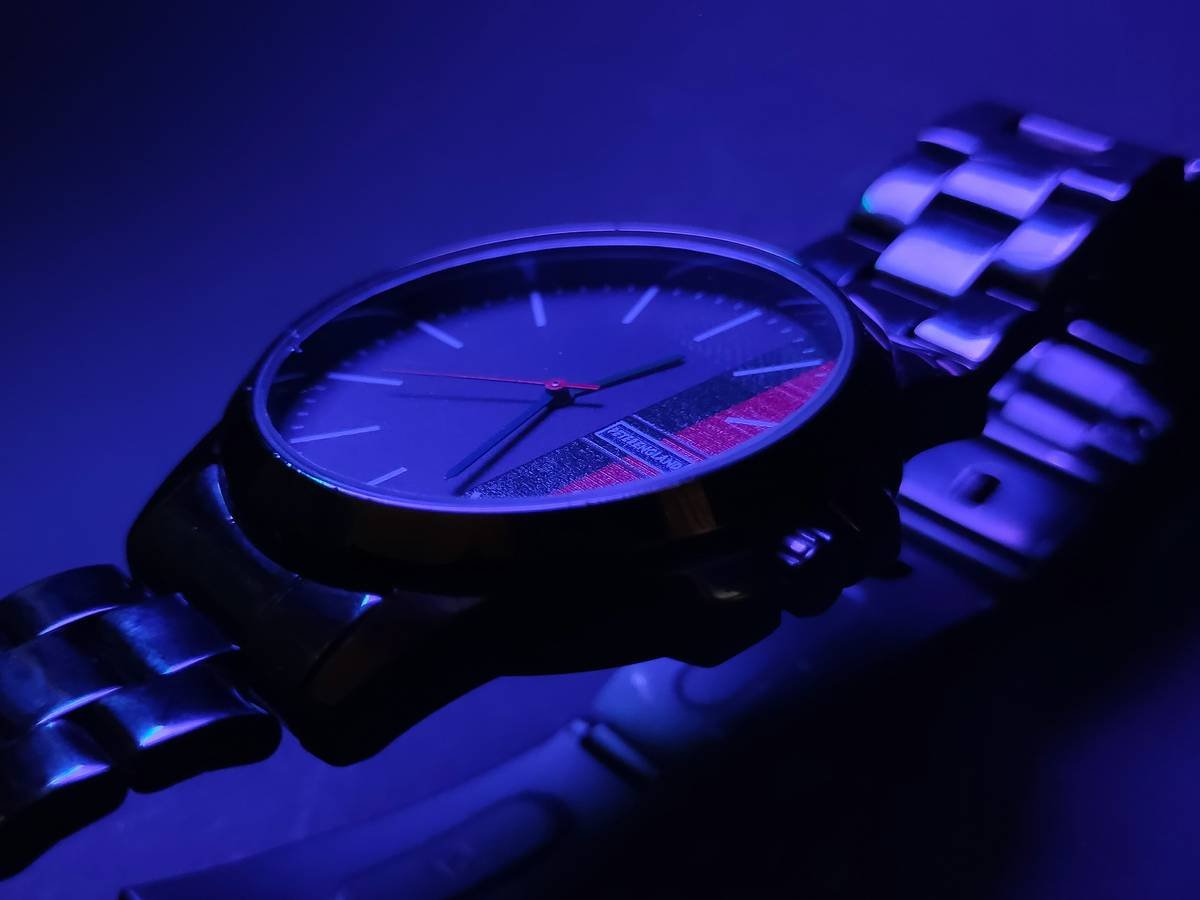
Even indie brands like Void Watches employ PVD magic to craft pieces blending bold designs with rugged durability—an inspiration for those seeking uniqueness at mid-range prices.
FAQs About PVD Coating Technology
Is PVD coating safe for sensitive skin?
Absolutely. Unlike nickel-heavy alternatives that trigger allergies, PVD uses biocompatible materials, making it hypoallergenic.
Can PVD coatings chip or peel?
Rarely. Proper application ensures lifelong adherence. However, rough handling (like banging against concrete constantly) could risk damage.
Does PVD impact sustainability?
Yes—in a good way! PVD consumes fewer chemicals and produces minimal waste compared to outdated plating techniques, aligning perfectly with eco-conscious goals.
Conclusion
PVD coating technology isn’t just another buzzword—it’s the secret weapon behind today’s most coveted fashion watches. Whether you’re battling sweat, sunlight, or accidental bangs, PVD shields your style investments with unmatched toughness and flair. So next time you shop, demand nothing less than this marvel of material science.
Stay sharp, stay stylish, and rock those wrist bling vibes responsibly. Now go flex that knowledge like a Tamagotchi master caring for their SEO pet—you got this.
Shiny watches gleam,
PVD keeps rust far away.
Style meets strength today.