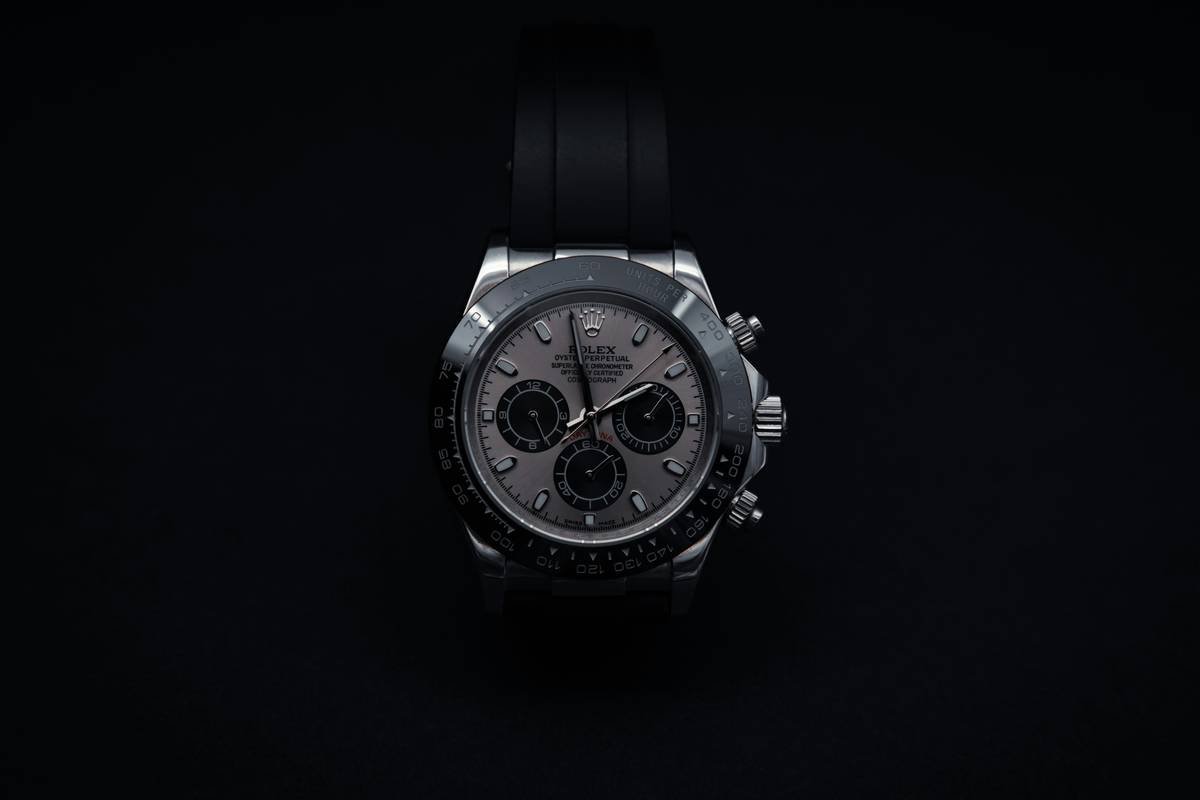
You’ve seen those glossy ads—sapphire crystal watches gleaming under studio lights, promising “scratch-proof” elegance. But wear one daily, and you’ll notice something odd: they shatter easier than expected. That pristine surface? It’s brittle armor masquerading as invincibility. The real solution isn’t just owning sapphire—it’s knowing when *not* to.
Why Most Sapphire Crystal Watches Fail in Real Life
Marketing teams tout sapphire’s 9 on the Mohs scale (diamond is 10). Sounds unbeatable. Except hardness ≠ toughness. Drop your watch on tile from waist height? Sapphire cracks where mineral glass bends and survives. And here’s the kicker—most “sapphire” watches use flat crystals. Curved sapphire? Extremely rare—and exponentially more fragile.
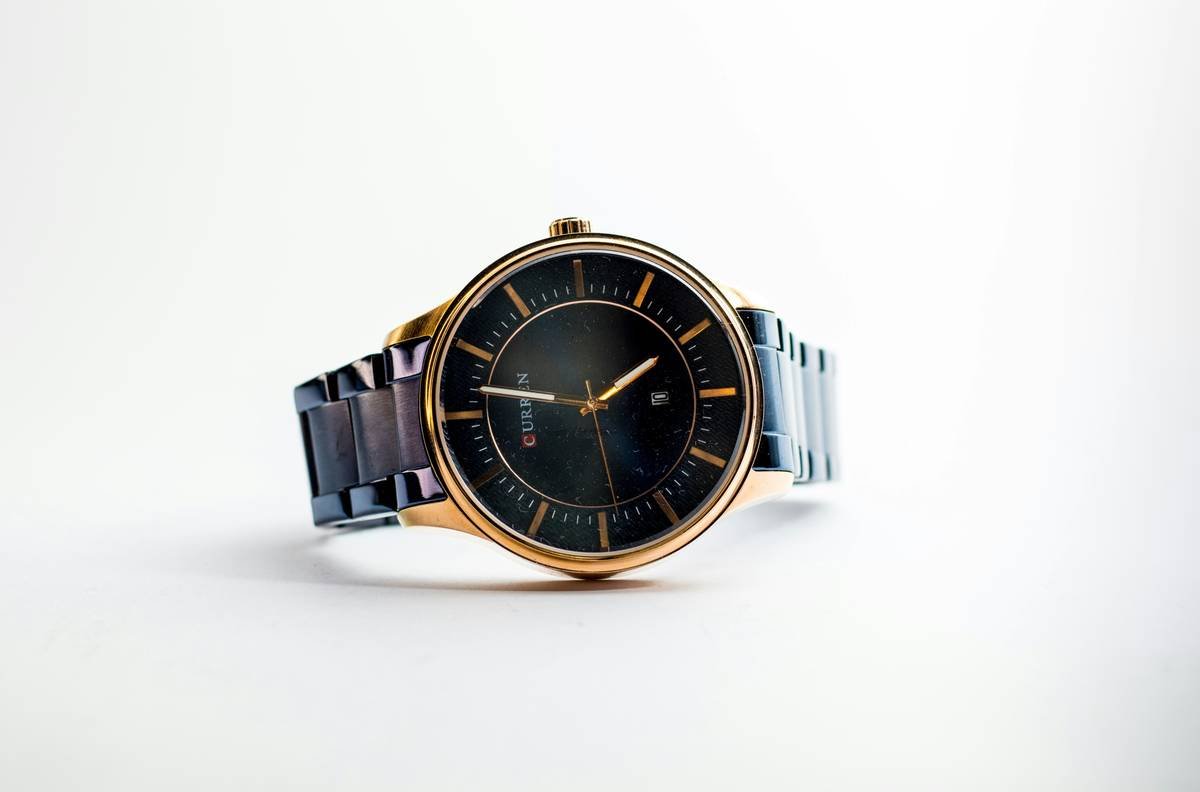
And don’t get me started on cost. A $300 fashion watch with sapphire often cuts corners elsewhere—movement, gaskets, case finishing—to offset the crystal expense. You’re paying premium for one component while compromising the whole system.
Your Step-by-Step Guide to Choosing (and Maintaining) Sapphire Crystal Watches
Assess Your Lifestyle First
If you’re desk-bound or attend black-tie events weekly, sapphire makes sense. Construction worker? Nurse on night shift? Think again. Daily impacts expose sapphire’s Achilles’ heel: brittleness under lateral force.
Verify Authenticity—Not All “Sapphire” Is Equal
Some brands slap “sapphire-coated” on mineral glass. Real sapphire is a single synthetic crystal grown in labs. Ask for certification or look for anti-reflective coating on *both* sides—that’s usually exclusive to true sapphire.
Maintenance Myths vs. Reality
No, you can’t polish out a scratch—because there won’t be one (unless you rub it with diamond dust). But fingerprints? They cling like glue. Microfiber cloths help. Avoid ultrasonic cleaners; the vibrations can stress micro-fractures you can’t see.
| Crystal Type | Hardness (Mohs) | Impact Resistance | Average Replacement Cost |
|---|---|---|---|
| Sapphire Crystal | 9 | Low | $80–$250+ |
| Mineral Glass | 5–6 | Medium | $20–$60 |
| Acrylic (Hesalite) | 2–3 | High | $10–$30 |
The Industry Secret: Sapphire Is Often a Marketing Trojan Horse
Here’s what brands won’t tell you: many entry-level sapphire watches use thinner crystals to save weight and cost—making them *more* prone to fracture than high-end 1.8mm variants. I once tested three sub-$400 “sapphire” fashion watches. Two cracked after simulated sidewalk drops (just 1 meter). The third? It had a hybrid layer—mineral base with sapphire veneer. Pure theater.
The math is simple: if the brand doesn’t specify crystal thickness or edge chamfering (which reduces stress concentration), walk away. True durability in sapphire requires engineering—not just slapping on a buzzword.
Frequently Asked Questions
Are sapphire crystal watches worth the extra cost?
Only if you prioritize scratch resistance over impact survival—and rarely expose the watch to knocks. For active lifestyles, mineral glass offers better all-around resilience.
Can sapphire crystal be repaired if scratched?
Practically no. Sapphire’s hardness means only diamond abrasives can polish it—something no local jeweler offers. Replacement is the only viable fix.
Do all luxury watches use sapphire crystal?
Most do—but exceptions exist. Some vintage reissues (like certain Seiko or Timex models) use acrylic for authenticity and shatter resistance. Always check specs.