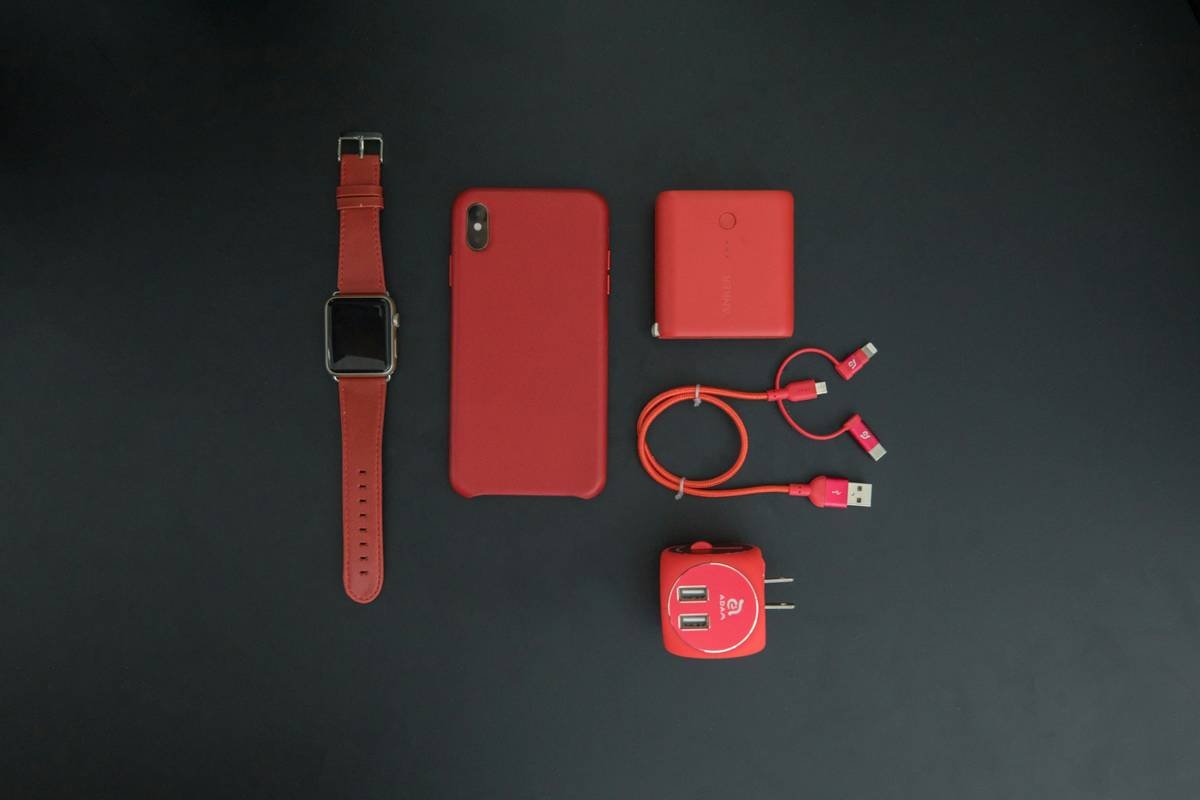
You spent weeks hunting the perfect smartwatch—only to see it on every wrist at brunch. Mass-market wearables blend in, not stand out. And that’s the core frustration: tech-forward fashion shouldn’t feel generic. The fix? limited edition watches. They merge exclusivity, craftsmanship, and wearable innovation in ways mainstream models never can.
The Problem With Off-the-Shelf Wearables
Most “premium” fashion watches today are just rebranded tech shells with interchangeable straps. Identical internals. Same OS updates. Zero distinction.
Worse—they depreciate faster than a rental car. Resale markets treat them like last year’s smartphone. No narrative. No scarcity. Just another SKU.
And brands know this. Yet they keep flooding channels with near-identical variants, banking on FOMO that evaporates by next season.
How to Spot—and Secure—True Limited Edition Watches
Not all “limited” claims are equal. Some releases cap at 5,000 units worldwide. Others? Only 50. Your strategy must adapt accordingly.
Verify Authentic Scarcity
Look beyond marketing fluff. Official press kits should state exact production numbers—not vague terms like “small batch.” Reputable houses publish serial numbering on casebacks or digital certificates.
Prioritize Integrated Design (Not Just Stickers)
A genuine limited edition rethinks materials, UI themes, and even haptics—not slaps a new color on an existing mold. Think titanium bezels, custom watch faces co-designed with artists, or solar charging hidden in sapphire glass.
Act Fast—But Verify First
Bots and resellers dominate primary drops. Set calendar alerts, join brand discords early, but never skip authentication steps post-purchase. Counterfeits now mimic NFC pairing and box textures frighteningly well.
| Release Tier | Units Produced | Avg. Resale Premium (6 mos) | Authentication Must-Haves |
|---|---|---|---|
| Ultra-Rare | <100 | +85% to +200% | Holographic COA, blockchain registry, signed designer note |
| Limited Run | 101–1,000 | +25% to +60% | Unique serial engraving, QR-linked archive |
| Regional Exclusive | 1,001–5,000 | +5% to +20% | Market-specific firmware, geo-locked features |
The Industry Secret: Why Brands *Want* You to Miss the Drop
Here’s what press releases won’t tell you: intentionally undersupplying builds long-term collector ecosystems. A watch that sells out in 90 seconds becomes social currency—fueling years of forum debates, unboxing videos, and secondary spikes.
But—and this is key—the most valuable limited edition watches aren’t just rare. They’re usefully rare. Example: that recent collab with a Berlin-based kinetic artist? It tracks your step rhythm against generative audio patterns. Functional art. Not just a numbered trinket.
The math is simple: if the tech doesn’t enhance the experience, scarcity alone won’t sustain value. Demand dies when novelty fades. Innovation keeps it alive.
Frequently Asked Questions
Are limited edition watches worth the premium?
Only if they offer unique tech or design not found elsewhere. Pure scarcity without utility fades fast. Look for functional differentiation—custom sensors, exclusive apps, or material upgrades.
How can I verify a limited edition watch’s authenticity?
Check for a verifiable serial number, official certificate (often with hologram), and purchase directly from brand boutiques or authorized partners. Avoid third-party marketplaces unless escrow-backed.
Do limited edition watches hold resale value?
Ultra-rare releases (<100 units) with strong narratives often appreciate. But most limited runs dip initially—then surge if the brand gains cultural momentum. Patience matters more than panic-buying.