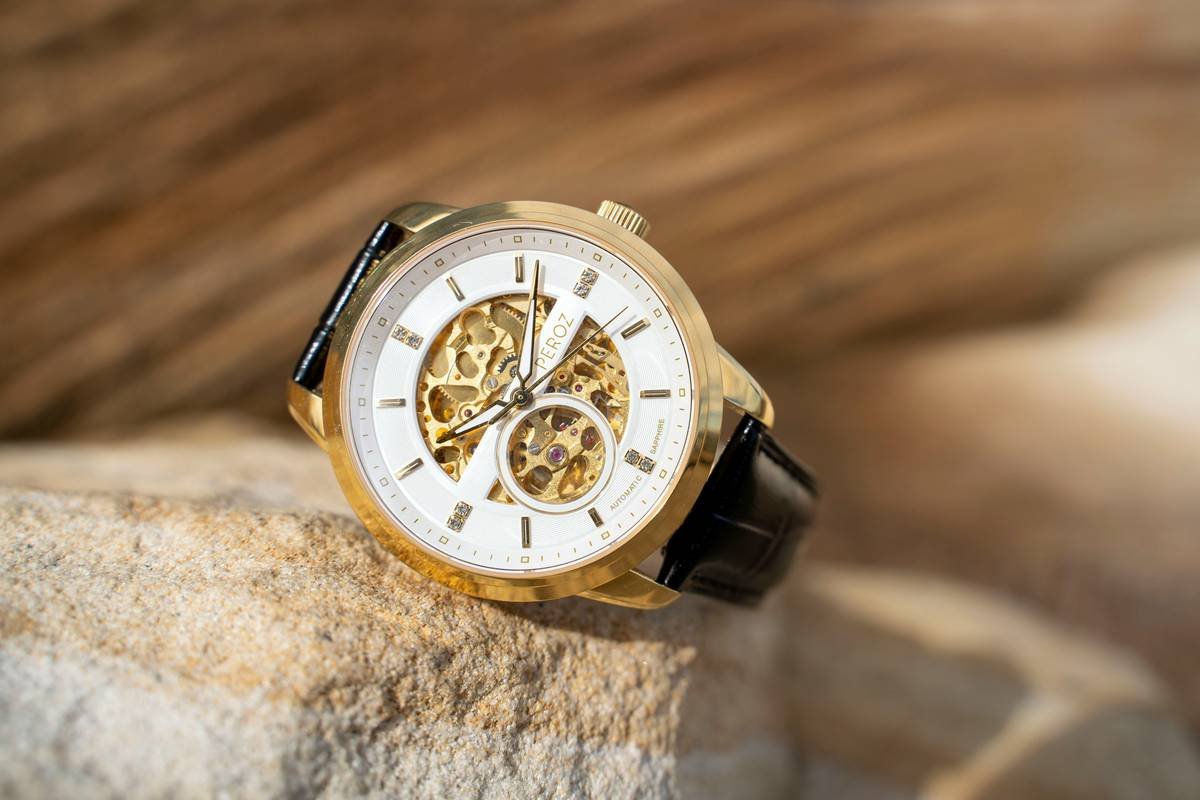
You bought a “luxury” fashion watch. It looked stunning—for three weeks. Then the plating peeled, the strap cracked in sunlight, and the clasp snapped during a handshake. Now it sits in a drawer, another victim of poor material fashion watche choices. The problem isn’t your taste—it’s the invisible engineering (or lack thereof) behind the shine.
Why Most Fashion Watches Fail Within Months
Brands sell you aesthetics, not endurance. They coat cheap base metals with micron-thin layers of gold or rose gold—enough to dazzle in-store lighting but not survive real life. Sweat, perfume, humidity? All silent assassins. And straps? Often made from bonded leather or low-grade silicone that degrades fast.
But durability isn’t just about longevity—it’s about how the material feels against your skin, how it ages, and whether it aligns with your ethics. A glossy finish means nothing if it flakes off by summer.
Choosing the Right Material for Your Fashion Watch
Forget “premium-looking.” Focus on performance-first materials that age gracefully. Here’s how to break it down:
Metal Cases: Stainless Steel Isn’t Created Equal
316L surgical-grade stainless steel resists corrosion far better than 304-grade—the kind often used in budget fashion watches. Look for “316L” stamped on the case back. No stamp? Assume the worst.
Strap Materials That Actually Last
Vegetable-tanned leather develops a rich patina over time—unlike chrome-tanned junk that dries out and cracks. For vegan options, seek FKM fluoroelastomer (not generic “silicone”)—it handles UV exposure and oils without degrading.
Ceramic & Titanium: The Quiet Power Players
Ceramic cases are scratch-proof and hypoallergenic—but brittle if dropped. Titanium is featherlight, corrosion-proof, and ideal for sensitive skin. Neither rusts. Neither fades. Both cost more upfront but pay dividends in wearability.
| Material | Durability Score (1-10) | Skin-Friendly? | Aging Behavior | Avg. Cost Premium |
|---|---|---|---|---|
| 304 Stainless Steel | 5 | Moderate | Tarnishes with sweat exposure | $0 |
| 316L Stainless Steel | 9 | Yes | Develops subtle sheen; no corrosion | +15-25% |
| Bonded Leather Strap | 3 | No (often contains adhesives) | Cracks within 6 months | $0 |
| Vegetable-Tanned Leather | 8 | Yes | Patina deepens beautifully | +30-40% |
| FKM Fluoroelastomer | 9 | Yes | No discoloration; stays supple | +20-35% |
| Ceramic | 7 (scratch-proof but impact-sensitive) | Yes | Stays pristine indefinitely | +50-70% |
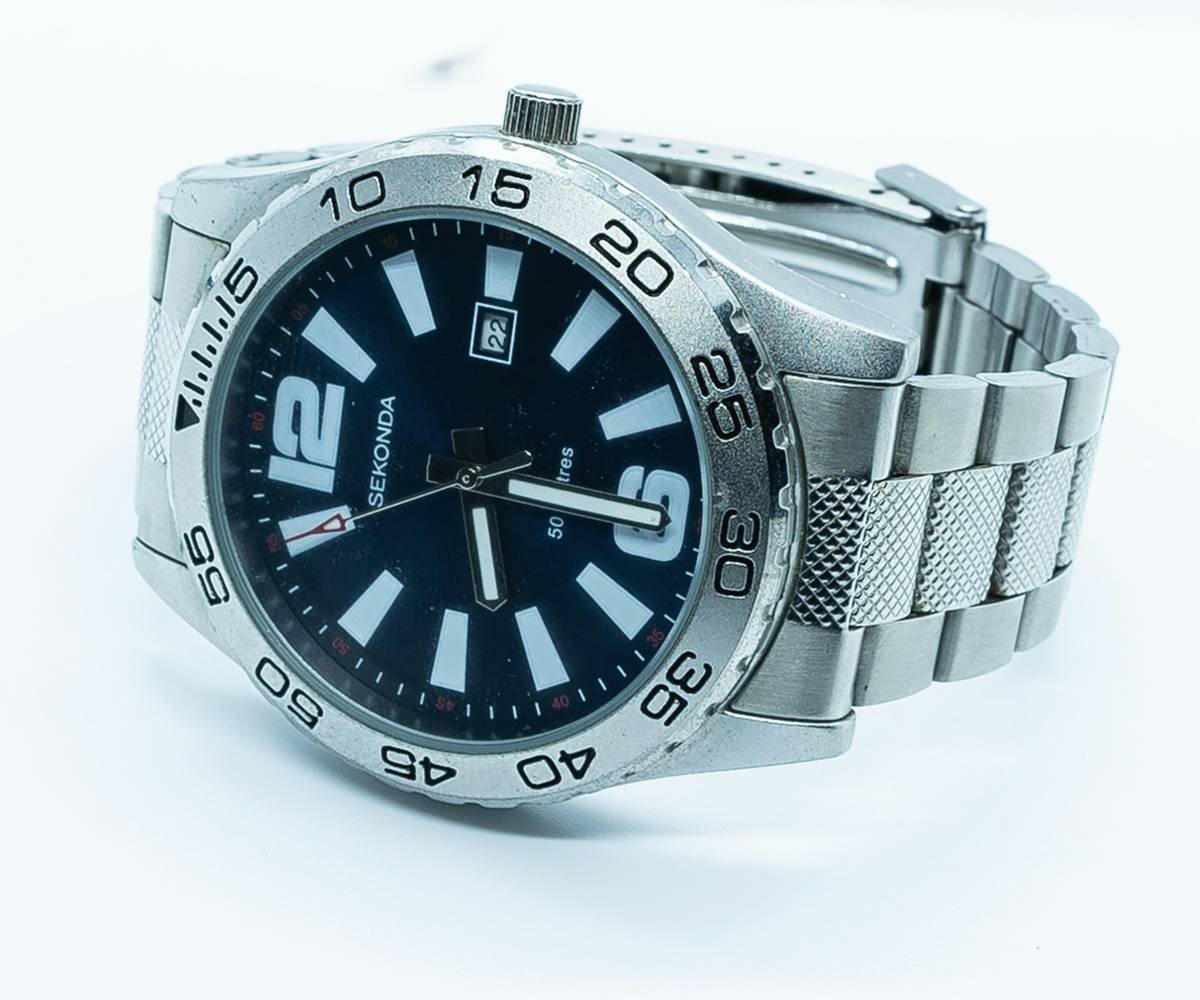
The Industry Secret: “Gold-Tone” Is a Legal Loophole
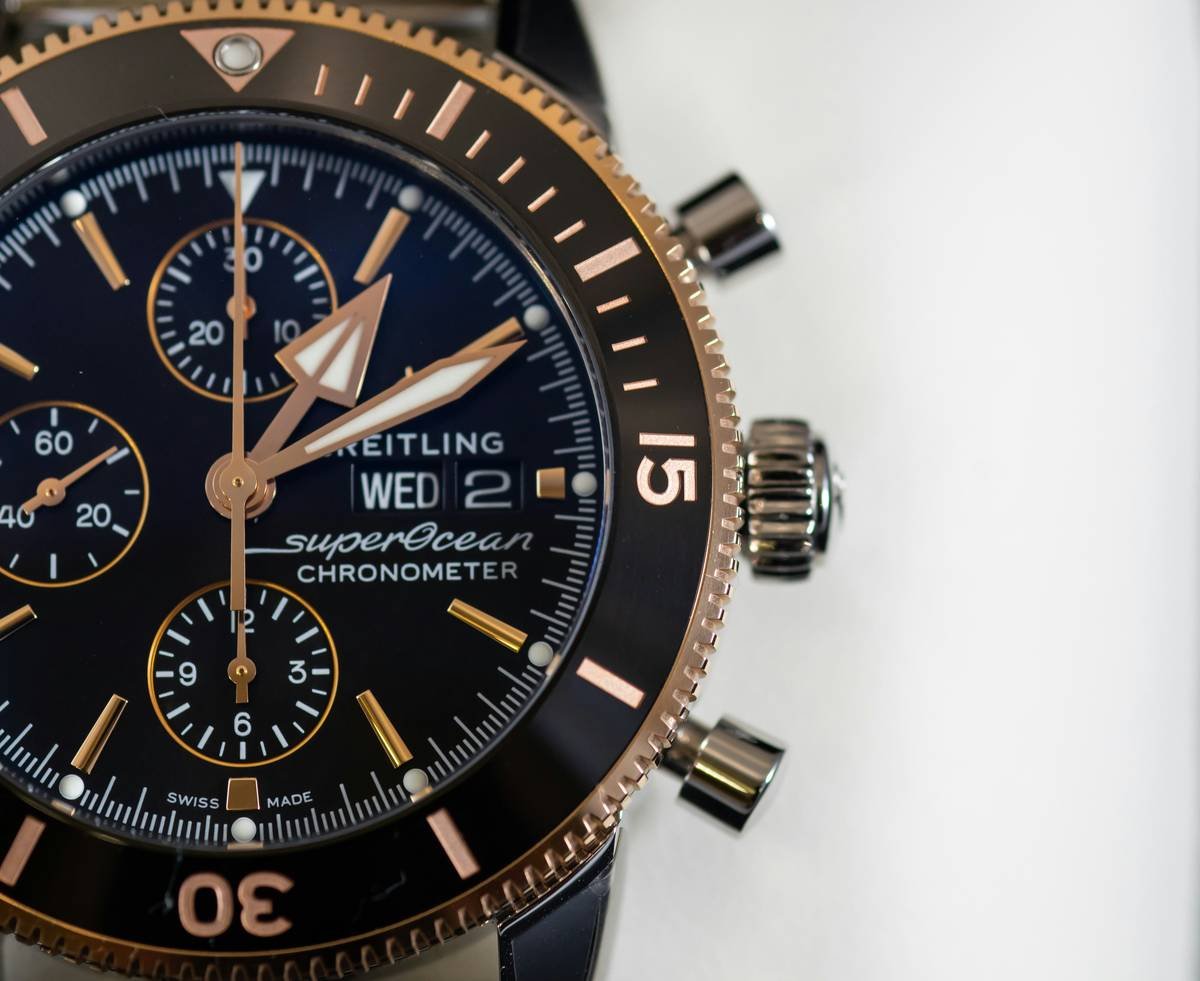
Here’s what brands won’t tell you: “gold-tone” or “rose-gold finish” requires zero actual gold. It’s usually PVD (Physical Vapor Deposition) coating over brass or zinc alloy—thin enough to wear through in weeks. Real gold plating must be at least 0.5 microns thick to last; most fashion watches use 0.1–0.2 microns. The math is simple: thinner coating = faster failure. And there’s no regulation forcing disclosure of micron thickness. So unless a brand proudly states “5-micron gold plating,” assume it’s decorative theater—not craftsmanship.
FAQ
What’s the best metal for a fashion watch if I have sensitive skin?
Go with 316L stainless steel, titanium, or ceramic. All are hypoallergenic and resist sweat-induced irritation.
Can a leather watch strap last more than a year?
Yes—but only if it’s full-grain, vegetable-tanned leather. Avoid anything labeled “genuine leather”; it’s often split leather with synthetic backing.
Are expensive fashion watches always made with better materials?
Not necessarily. Some luxury-adjacent brands markup design, not substance. Always check material specs—not just the price tag.