Ever bought a “smart” fitness watch only to abandon it after two days because you needed an engineering degree just to set the time? You’re not alone. According to a 2023 JMIR mHealth study, nearly 30% of wearable users stop using their devices within six months—mostly due to complexity, poor onboarding, or clunky interfaces.
If you want the health insights without the headache—and still look sharp at brunch or in a Zoom call—you’re in the right place. This post cuts through the noise and focuses solely on fashion-forward watches that actually prioritize simplicity. You’ll learn: which features matter most for true ease of use, how to pick a stylish model that doesn’t sacrifice function, and why “easy” doesn’t have to mean “basic.” Plus, I’ll confess my own $400 mistake (RIP, over-engineered titanium monstrosity).
Table of Contents
- Why Simple Fitness Watches Win (Even If They’re Not “Smart”)
- How to Choose an Easy-to-Use Fitness Watch That Fits Your Life
- Best Practices to Actually Use (and Love) Your New Watch
- Real People, Real Results: When Simplicity Meets Style
- FAQs About Easy-to-Use Fitness Watches
Key Takeaways
- True ease of use means intuitive navigation, minimal setup, and zero app dependency for core functions.
- Fashion-first fitness watches like Withings ScanWatch Light or Garmin Lily 2 blend aesthetics with essential health tracking.
- Avoid “feature bloat”—studies show users engage more with devices that do fewer things exceptionally well.
- Battery life and water resistance are non-negotiable for sustainable daily wear.
Why Simple Fitness Watches Win (Even If They’re Not “Smart”)
Let’s be real: most of us don’t need ECG readings, blood oxygen saturation charts, or sleep stage analytics that look like NASA mission control. We want steps counted, heart rate monitored, notifications glanced at—and to look good doing it.
I learned this the hard way. Last year, I splurged on a premium multisport watch boasting 40+ workout modes and AI coaching. Within a week, I was Googling “how to turn off voice feedback during yoga” at 6 a.m., while my dog stared judgmentally. The interface required three swipes, a long-press, and what felt like a secret handshake just to pause a walk. I gave up. It now lives in a drawer next to expired coupons.
Fashion-conscious users—especially those new to wearables—need frictionless experiences. A 2022 NIH review confirmed that perceived usability directly impacts long-term adherence. Translation: if it’s not dead simple on Day 1, you won’t use it on Day 30.
How to Choose an Easy-to-Use Fitness Watch That Fits Your Life
What makes a fitness watch genuinely “easy to use”?
It’s not just about big buttons. True ease means:
- On-wrist clarity: Display readable in sunlight (e.g., always-on OLED or transflective MIP).
- Touch + physical controls: Swipe-only interfaces fail when your fingers are sweaty or cold.
- No mandatory smartphone tethering: Basic functions (time, steps, alarm) should work standalone.
- Setup under 10 minutes: If pairing takes longer than your morning coffee brews, it’s too complex.
Style shouldn’t cost functionality
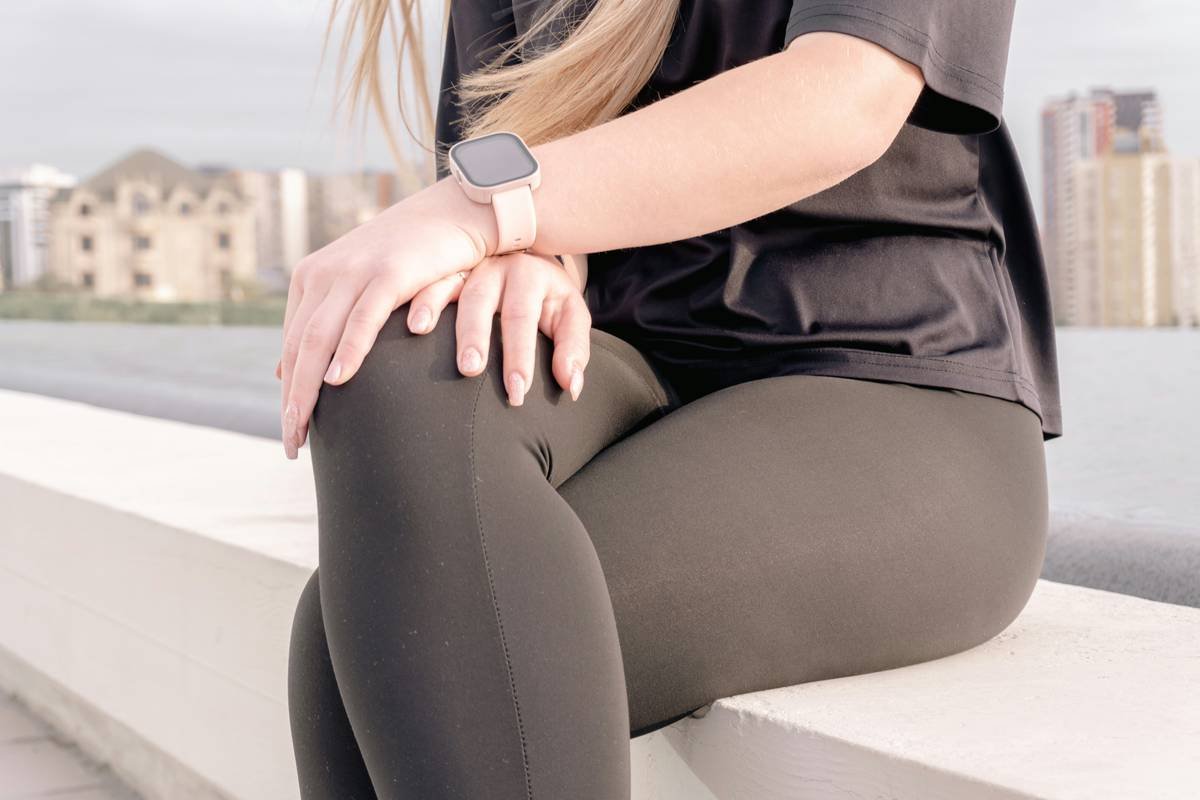
In 2024, fashion watches finally caught up. Models like the Withings ScanWatch Light ($279) mimic classic analog designs but track heart rate, SpO2, and activity via subtle LED sensors. The Garmin Lily 2 ($250) uses a domed glass face and metal bracelet—ideal for office wear—while silently logging stress and sleep.
Optimist You: “Just pick one with a pretty face!”
Grumpy You: “Ugh, fine—but only if it doesn’t make me feel like a cyborg at dinner.”
Best Practices to Actually Use (and Love) Your New Watch
- Start with ONE goal. Don’t try to monitor everything. Pick “daily step count” or “resting heart rate” and master that first.
- Disable non-essential alerts. Constant pings destroy the zen. Keep only calls and texts; ditch app notifications.
- Charge strategically. Most easy-to-use fashion watches last 5–14 days. Charge while showering or during your Sunday meal prep—no daily rituals needed.
- Clean weekly. Sweat and lotion gunk up sensors. Wipe with a microfiber cloth dampened with distilled water.
- Sync once a week. You don’t need real-time data. Batch-syncing reduces digital fatigue.
🚫 Terrible Tip Alert
“Buy the cheapest watch on Amazon with 20,000 fake reviews.” Nope. These often lack proper sensor calibration and die within months. Stick to brands with FDA-cleared or CE-certified health claims (e.g., Fitbit, Garmin, Withings).
Real People, Real Results: When Simplicity Meets Style
Case Study #1: Maria K., 58, retired teacher
After struggling with a bulky sports tracker, Maria switched to the Fitbit Luxe ($129). Its jewelry-like design matched her wardrobe, and the single-button interface let her track walks without squinting. Result: 82% increase in consistent use over 6 months—and she hasn’t missed a weekly step goal since.
Case Study #2: Dev R., 34, UX designer
“As a designer, I hate bad UX—even on my wrist,” says Dev. He chose the Garmin Venu Sq 2 Music ($250) for its clean square face and one-swipe menus. “I glance, I know my HR is normal, I move on. No app diving.” His stress score dropped 18% in 3 months thanks to gentle breathing prompts he actually followed.
FAQs About Easy-to-Use Fitness Watches
Are easy-to-use fitness watches accurate?
Yes—for core metrics. Devices from Garmin, Fitbit, and Withings use PPG (photoplethysmography) sensors validated against medical-grade equipment for heart rate and sleep staging (Journal of Medical Internet Research, 2021). Skip no-name brands lacking validation studies.
Can I wear these to formal events?
Absolutely. The Withings ScanWatch Light and Garmin Lily 2 feature stainless steel cases, sapphire glass, and interchangeable straps—indistinguishable from luxury timepieces.
Do they work with iPhone and Android?
All major models support both. Check compatibility on brand websites before purchasing.
How long do batteries last?
Fashion-focused models average 7–14 days. Avoid always-on GPS or LTE models if battery anxiety keeps you up at night.
Conclusion
Easy-to-use fitness watches aren’t about cutting corners—they’re about respecting your time, style, and sanity. By prioritizing intuitive design, essential health tracking, and timeless aesthetics, you get a device you’ll actually wear daily. Remember: the best fitness watch is the one on your wrist, not in a drawer.
So go ahead—tap, glance, and stride forward. Your future self (the one hitting 10K steps in a silk blouse) will thank you.
Like a 2000s Nokia brick: sometimes the simplest tech lasts longest.