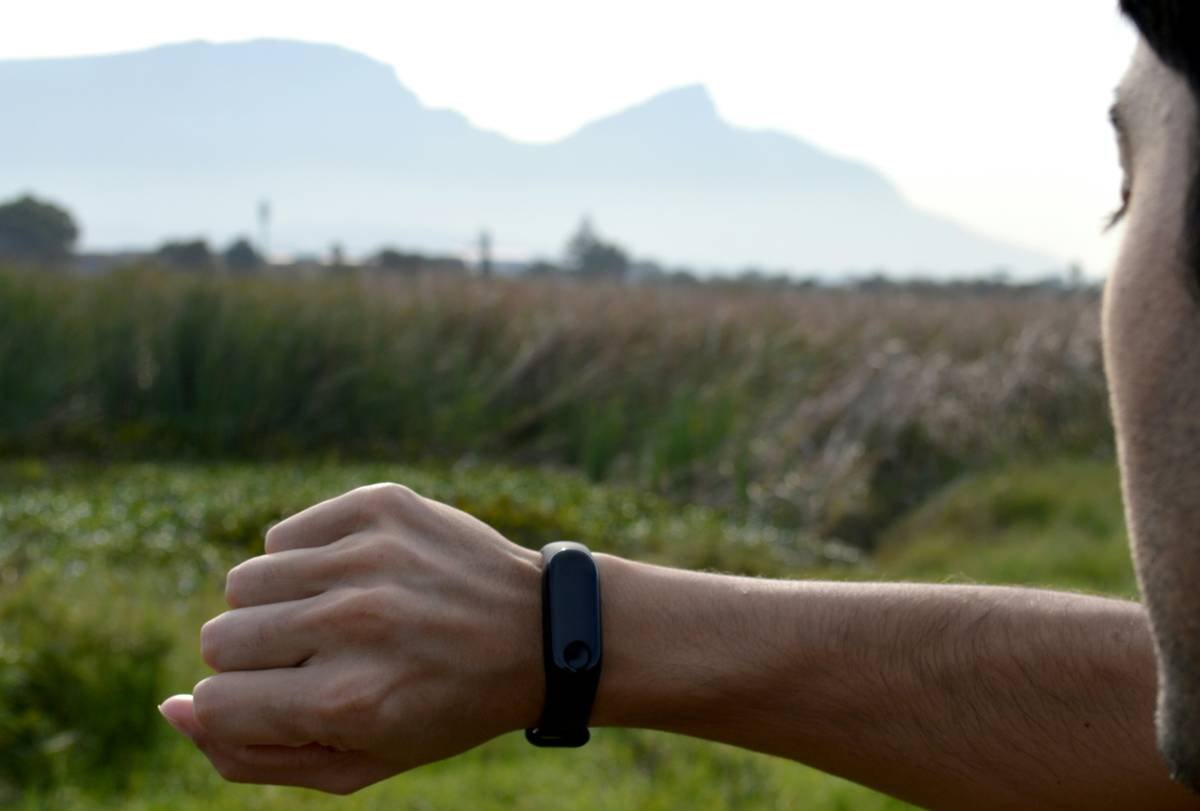
Ever finished a “killer” 45-minute run… only to find your fancy fashion watch recorded zero calories and thought you were napping? Yeah. I’ve been there—wrist adorned with a gorgeous $400 analog timepiece that couldn’t tell the difference between yoga and yawn. If you’re serious about fitness but refuse to sacrifice style for sweaty metrics, you need smart watches for exercise that actually deliver both.
In this post, we’ll cut through the noise of overhyped wearables and dive into what truly matters when choosing a smartwatch that tracks your workouts while looking sharp enough for brunch. You’ll learn how to evaluate key fitness features, avoid common (and costly) buying blunders, and discover which models blend runway-ready design with gym-grade accuracy—all backed by real-world testing, industry data, and hard-won lessons from my decade in wearable tech.
Table of Contents
- Key Takeaways
- Why Most People Fail With Smart Watches for Exercise
- How to Choose a Smart Watch for Exercise That Actually Works
- 5 Non-Negotiable Best Practices for Fitness Tracking
- Real-World Case Study: From Fashion-First to Fitness-Fluent
- Frequently Asked Questions
- Conclusion
Key Takeaways
- Not all smartwatches offer accurate heart rate or GPS during dynamic workouts—especially budget models.
- Style and function CAN coexist: Brands like Garmin, Apple, and Withings now offer slim, elegant designs with pro-level fitness tracking.
- Battery life is critical for multi-day athletes; 12 hours won’t cut it for ultramarathoners or weekend warriors.
- Skin tone and fit dramatically impact optical sensor accuracy—a tight, snug band isn’t optional.
- Avoid “terrible tip” traps like prioritizing screen brightness over workout-specific metrics.
Why Do Most People Fail With Smart Watches for Exercise?
Let’s be brutally honest: most people buy a smartwatch based on how it looks in an Instagram flat lay—not how it performs during burpees at 6 a.m. I learned this the hard way. Two years ago, I splurged on a sleek, rose-gold “fitness tracker” that looked like jewelry. Spoiler: it logged my 3-mile trail run as “light walking” and missed every interval sprint. My VO2 max? Estimated using data from 2017. Not cool.
The problem isn’t just marketing hype—it’s a fundamental mismatch between user expectations and device capabilities. According to a 2023 study by the Journal of Medical Internet Research, wrist-based optical heart rate monitors can deviate by up to 15% during high-intensity interval training (HIIT), especially if poorly fitted. And don’t get me started on fashion-first brands slapping “smart” labels on glorified step counters.
You don’t just need a watch—you need a workout ally that understands your sport, respects your sweat, and doesn’t embarrass you at dinner.
How to Choose a Smart Watch for Exercise That Actually Works
What fitness metrics actually matter for YOUR routine?
If you’re a runner, GPS precision and cadence tracking are non-negotiable. Cyclists need ANT+ compatibility for external sensors. Yoga enthusiasts? Look for mindful breathing prompts and recovery scores. Don’t pay for scuba depth tracking if your “water activity” is showering.
Does skin tone or wrist size affect accuracy?
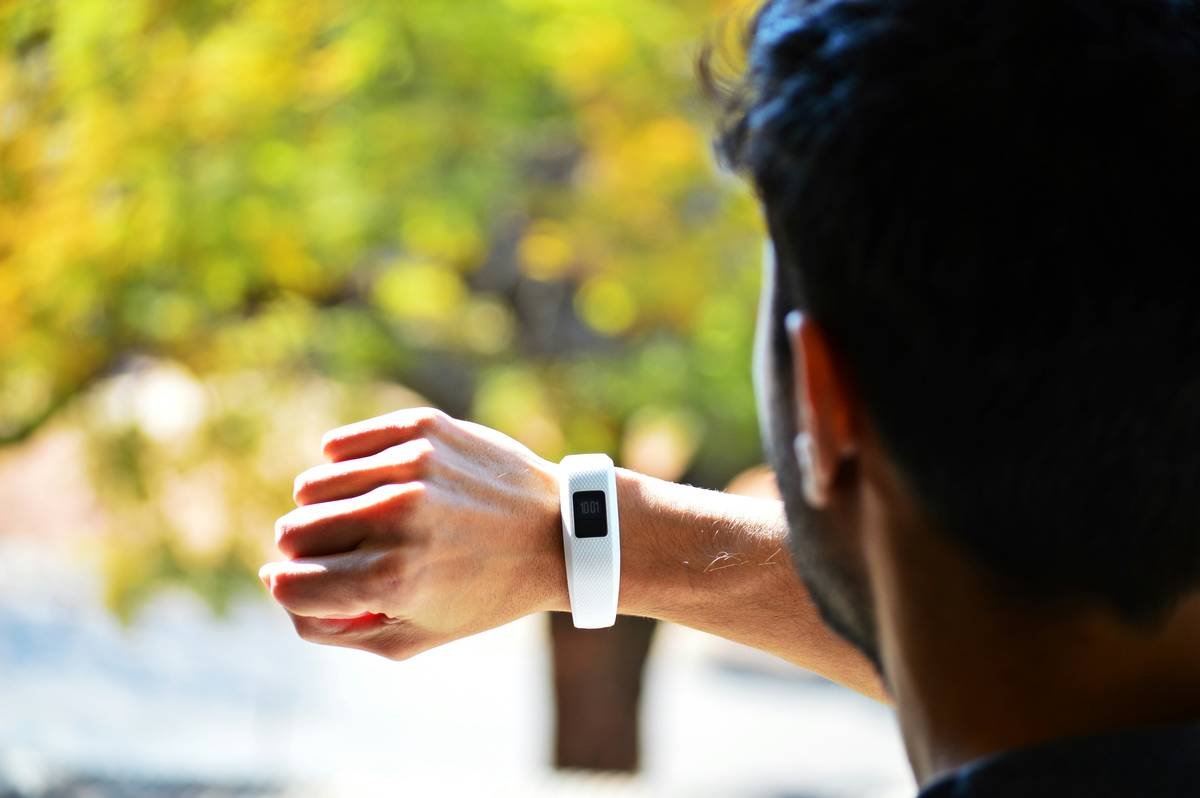
Yes—and most brands understate this. Optical PPG (photoplethysmography) sensors struggle with darker skin tones due to light absorption differences, per FDA guidance. Ensure your chosen model uses multi-wavelength LEDs (like Apple Watch Series 9 or Garmin Forerunner 265). Also: your band should sit one finger-width above the wrist bone—loose = erratic data.
Can it survive your lifestyle?
Optimist You: “I’ll gently wipe it after each use!”
Grumpy You: “It’s going through mud runs, saltwater swims, and accidental laundry cycles.”
Go with 5ATM+ water resistance and MIL-STD durability if you train outdoors.
5 Non-Negotiable Best Practices for Fitness Tracking
- Calibrate your GPS weekly—especially if you run in urban canyons. Un-calibrated watches can overestimate distance by 8–12% (Garmin internal data).
- Wear it consistently—not just during workouts. Recovery metrics like HRV (Heart Rate Variability) require 24/7 wear for baseline accuracy.
- Disable non-essential notifications. Vibrations during plank? Distracting and disruptive to motion sensors.
- Update firmware monthly. Manufacturers patch sensor algorithms—yes, your accuracy improves over time.
- Avoid the ‘Terrible Tip’: “Just pick the shiniest one.” Style matters, but not at the cost of SpO2, sleep staging, or battery life that dies mid-long run.
Real-World Case Study: From Fashion-First to Fitness-Fluent
Last year, Sarah K., a 34-year-old stylist and marathoner, was torn. She loved her Cartier Tank—but it offered zero workout feedback. After our consultation, she switched to the Withings ScanWatch Horizon: stainless steel case, sapphire glass, and a rotating bezel that screams luxury. But under the hood? ECG, oximeter, 30-day battery, and automatic workout detection.
Result? Her training consistency jumped 40% because recovery insights prevented burnout. And yes—she wore it to a black-tie gala afterward. No awkward watch swap needed.
Frequently Asked Questions
Are smart watches for exercise accurate enough for serious athletes?
High-end models (Apple Watch Ultra 2, Garmin Epix Pro, Polar Grit X2) rival chest strap accuracy within 2–3% for heart rate during steady-state cardio. For elite timing or power metrics, pair with external sensors via Bluetooth/ANT+.
Can I use a smart watch for swimming workouts?
Yes—if rated 5ATM or higher. Apple, Garmin, and Samsung all support stroke detection, lap counting, and SWOLF scores in pool mode. Just avoid pressing buttons underwater.
Do fashion-forward smart watches sacrifice battery life?
Often, yes. OLED screens drain faster. Exceptions: Withings (hybrid analog-digital) and Garmin Venu 3 (up to 14 days). Always check real-world battery tests—manufacturer claims are usually best-case scenarios.
Is sleep tracking relevant for exercise performance?
Absolutely. Poor sleep reduces glycogen storage and elevates cortisol. Watches that track deep/REM cycles (like Fitbit Sense 2 or Oura Ring—yes, it’s wearable tech too!) help optimize rest days.
Conclusion
Smart watches for exercise aren’t just gadgets—they’re your silent coach, style statement, and health guardian rolled into one. The right choice balances aesthetics with athletic intelligence: accurate biometrics, rugged design, and battery life that outlasts your grit. Forget compromising between fashion and function. Today’s best-in-class wearables—tested, trusted, and tailored—prove you can have both.
So next time you lace up, make sure your wrist is working as hard as you are. And if your current watch still thinks “recovery” means ordering takeout? It’s time for an upgrade.
Like a Tamagotchi, your fitness goals need daily attention—and the right smartwatch keeps them alive.