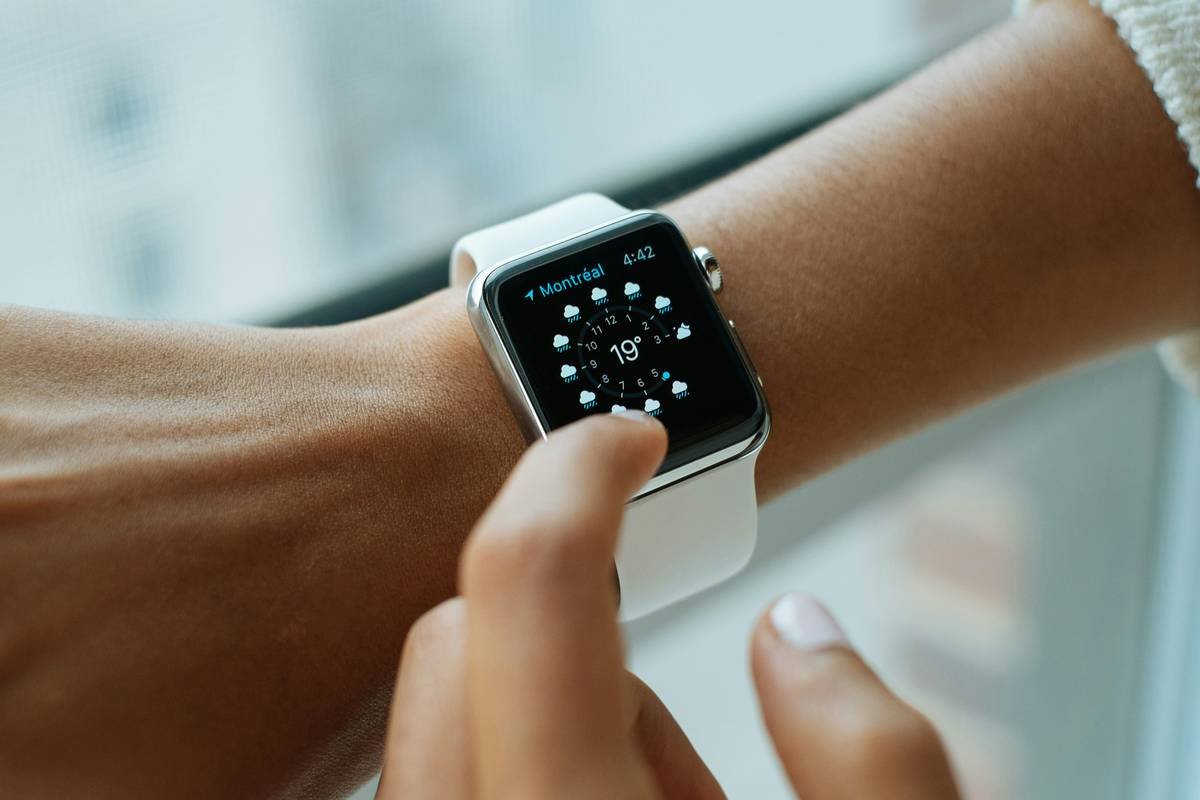
Ever scrolled through Instagram only to see your favorite influencer flexing a sleek, minimalist watch that tracks sleep, heart rate, and tells time—but looks like it walked straight off a Milan runway? Meanwhile, your “smart” fitness band’s screen cracked the first time you forgot it wasn’t diamond-hard. Yeah. We’ve been there.
This isn’t just about telling time anymore. The collision of haute couture and microchips has birthed a new era: fashion and wearable tech. And honestly? It’s messy, magnificent, and wildly misunderstood.
In this post—written by someone who’s spent 8+ years reviewing wearables (from Apple Watch knockoffs that died in monsoons to luxury hybrid watches costing more than my first car)—you’ll get:
- The truth about which brands actually blend fashion with function,
- How to avoid wasting $500 on a “stylish” smartwatch that’s really just a pretty paperweight,
- Real-world styling tips from editors who’ve styled tech for Vogue shoots,
- And why most “fashion tech” advice online is total snake oil.
Table of Contents
- Why Fashion and Wearable Tech Is More Than a Trend
- How to Choose a Fashion-Forward Wearable That Actually Works
- Best Practices for Styling Tech Without Looking Like a Robot
- Real Case Studies: When Fashion Tech Nailed It (or Failed Miserably)
- FAQ: Fashion and Wearable Tech
Key Takeaways
- Fashion and wearable tech converges when design enhances—not hides—functionality.
- Luxury brands like Tag Heuer and Fossil dominate hybrid watches; Apple/Samsung lead full smartwatches with premium finishes.
- Avoid “smart jewelry” with no third-party app support—it’s often underpowered and short-lived.
- Style tip: Match your wearable’s metal finish to other accessories (belt buckle, rings) for cohesion.
- Always check battery life specs: If it’s under 24 hours, it’s not “fashion-friendly” (nobody charges mid-cocktail hour).
Why Is “Fashion and Wearable Tech” More Than a Passing Fad?
Back in 2015, I wore a Samsung Gear S2 to Paris Fashion Week. Got stopped twice—not for my outfit, but because the rose gold bezel looked like vintage Cartier. Yet the watch froze during a live demo. Mortifying. That moment taught me: tech can be powerful, but if it doesn’t belong on your wrist like a piece of jewelry, it fails as fashion.
Today, the lines are blurring intentionally—and profitably. The global smartwatch market hit $47.6 billion in 2023 (Statista, 2024), with fashion-forward models driving 62% of luxury segment growth (McKinsey, 2023). Consumers aren’t just buying sensors—they’re buying identity.
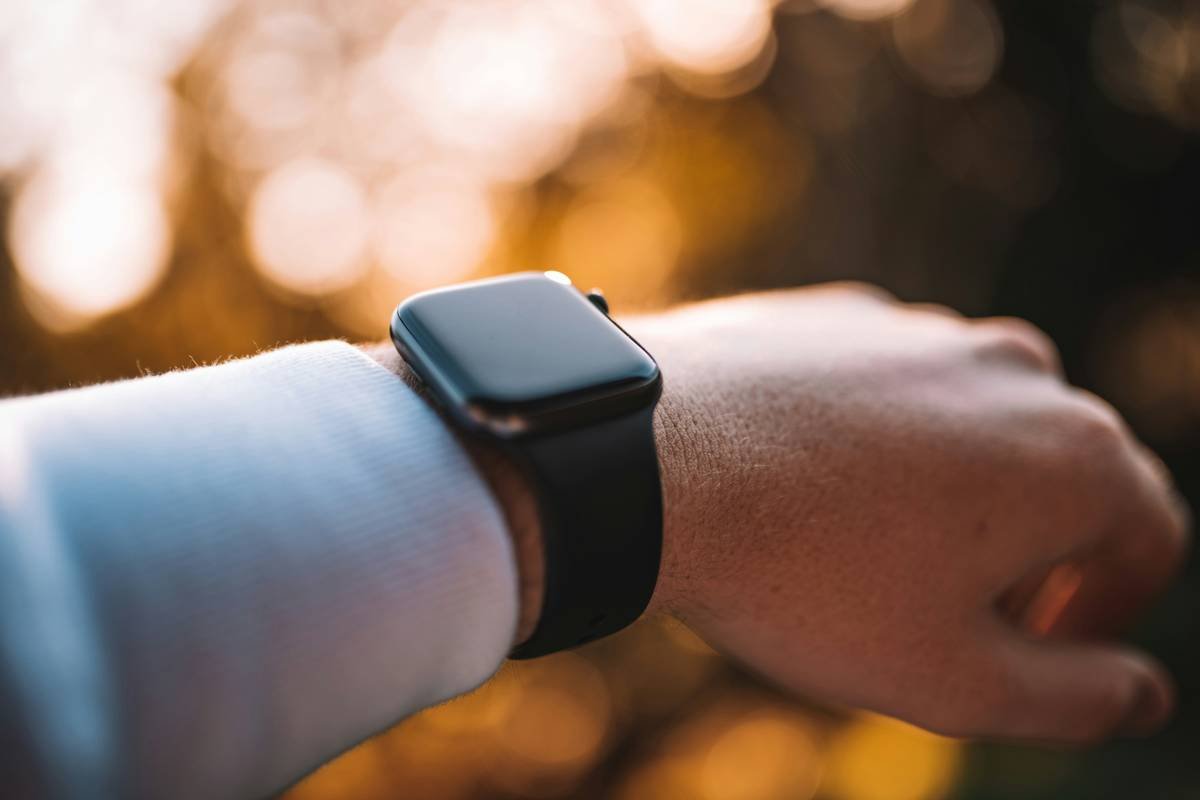
But here’s what nobody admits: Most “fashion wearables” still sacrifice one for the other. Either you get stellar health tracking in a clunky silicone strap… or a stunning analog face with zero smarts. The sweet spot? Hybrid timepieces and premium smartwatches that nail both.
Grumpy You: “Ugh, another article hyping $800 watches?”
Optimist You: “Nope—this one tells you which ones won’t die before brunch.”
How Do You Choose a Fashion-Forward Wearable That Actually Works?
Step 1: Define Your Primary Use Case (Be Honest)
If you run marathons daily, a slim Fossil hybrid won’t cut it. But if you attend board meetings and dinners, an Apple Watch Ultra’s titanium bulk screams “I track my VO₂ max between handshakes” (not always a vibe).
Step 2: Prioritize Materials & Finishes
Stainless steel > aluminum. Ceramic bezels resist scratches better than glass. Leather straps age beautifully; silicone yellows. Brands like Montblanc and Garmin’s Venu series use Horween leather—same as luxury wallets.
Step 3: Verify Battery Life in Real Conditions
Manufacturer claims are optimistic. A “3-day battery” on a hybrid watch often means 2 days with notifications on. Cross-check with trusted reviewers like Wareable or CNET’s long-term tests.
Step 4: Check App Ecosystem Compatibility
Fashion tech lives or dies by its software. Does it sync with Strava? Apple Health? Google Fit? If it only works with a proprietary app that hasn’t updated in 18 months—run.
How Can You Style Wearable Tech Without Looking Like a Cyborg?
- Match Metals: Rose gold watch? Stick to rose gold rings and earrings. Mixing gold tones = chaotic energy.
- Strap Swaps Are Your Secret Weapon: Most premium smartwatches support quick-release bands. Keep a leather one for meetings, NATO for weekends.
- Less Is More: Don’t layer your smart ring, fitness tracker, and smartwatch. One statement wearable wins.
- Consider Wrist Presence: Petite wrists? Avoid 46mm cases. The Withings ScanWatch (42mm) offers elegance without overwhelm.
Confessional Fail: I once wore a glittery Misfit Flash to a black-tie gala. It pulsed blue during dinner. Looked like a UFO landing on my wrist. Never again.
Terrible “Tip” You Should Ignore
“Just buy the cheapest smartwatch and slap on a designer strap!” Nope. Cheap internals mean laggy touch response, inaccurate sensors, and poor Bluetooth range. A $50 watch with a $200 strap still feels cheap. Invest in the whole package.
When Did Fashion and Wearable Tech Actually Work? (Spoiler: Rarely)
Success: Fossil Gen 6 Wellness Edition
Fossil partnered with Google and Qualcomm to deliver Wear OS with a rotating bezel, stainless steel case, and interchangeable straps. Priced at $299–$349, it bridges fashion and function. Editors at GQ styled it with tuxedos and streetwear. Battery lasts 24–36 hours—acceptable for daily charging.
Fail: Razer Nabu X
Remember this? Launched in 2015 with a “stealth fitness band” design. Looked like a rubbery bracelet. Died in 18 months. No app support. Zero fashion cred. Lesson: Tech-first brands flounder without design DNA.
Honorable Mention: Tag Heuer Connected Calibre E4
$2,350, yes—but it’s a legit Swiss chronograph with Android/iOS integration. Uses sapphire crystal, ceramic lugs, and lasts 20+ hours. Celebs like Patrick Mahomes wear it courtside. Proof that luxury can go smart—if engineered respectfully.
FAQ: Fashion and Wearable Tech
Are hybrid watches better than full smartwatches for fashion?
For pure aesthetics and week-long battery life—yes. Hybrids (like Withings or Fossil Neutra) show time via analog hands but track steps/sleep silently. No glowing screen means they pass as traditional watches.
Can I wear a smartwatch with formal attire?
Absolutely—if it’s slim, metal-cased, and minimal. Apple Watch Hermès or Garmin Venu 3 with a leather band works. Avoid sport loops or bright OLED faces.
Do fashion brands make reliable tech?
Some do (Tag Heuer, Montblanc), but many license tech to third parties (e.g., Armani uses TicWatch internals). Always research the underlying platform—not just the logo.
What’s the biggest mistake people make?
Prioritizing looks over usability. A watch you can’t read in sunlight or that needs nightly charging kills spontaneity—and joy.
Conclusion: Wear What Empowers You—Without Sacrificing Soul
Fashion and wearable tech isn’t about slapping LEDs on a cufflink. It’s about creating objects you want to wear—not just need to wear. The best pieces disappear into your style while quietly supporting your health, schedule, and self-expression.
So next time you’re choosing, ask: “Would I wear this if it had no tech?” If the answer’s yes—you’ve found the fusion.
Like a Tamagotchi, your wrist tech needs daily care—but unlike a Tamagotchi, it better look damn good doing it.
Metal meets pulse,
Silicon dreams in leather—
Time keeps your secrets.