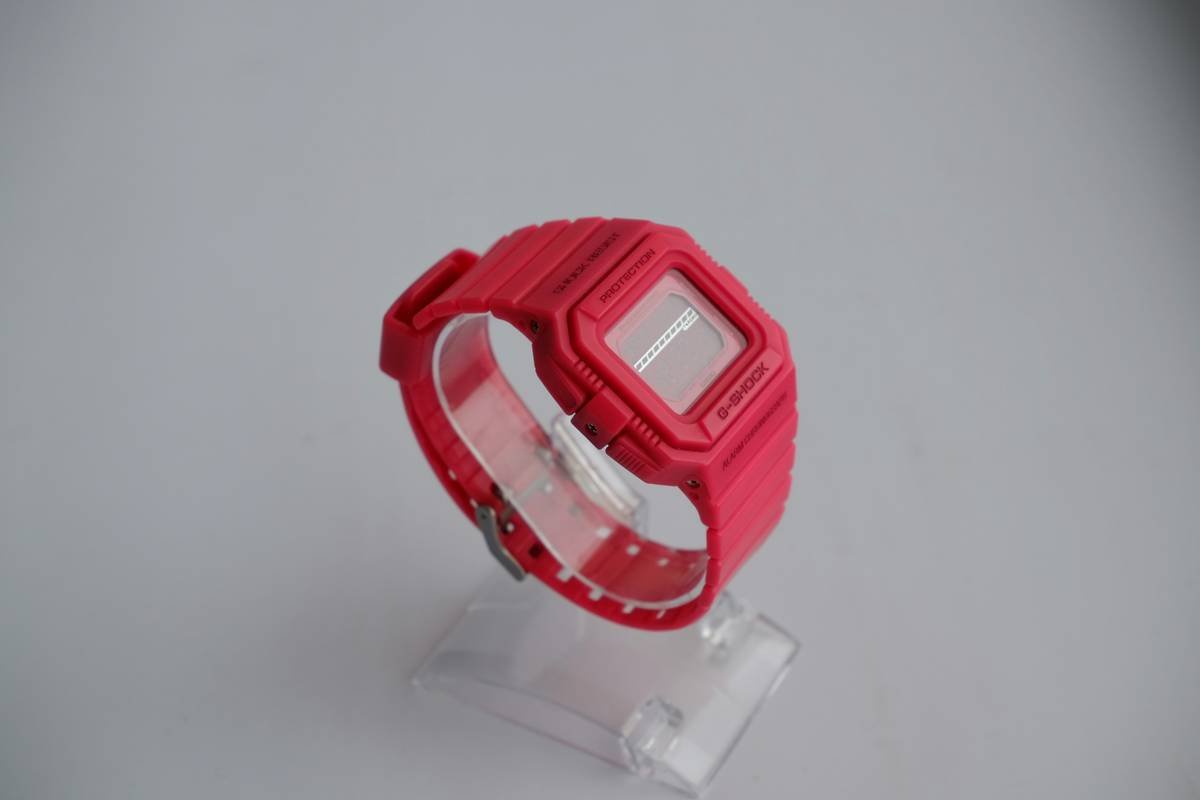
Ever stood in front of your closet, wrist bare, scrolling endlessly through watch options—only to feel guilty about buying another hunk of virgin plastic or over-mined metal? Yeah. That knot in your stomach? It’s your values clashing with your style.
Welcome to 2024, where sustainability isn’t just a buzzword—it’s the backbone of fashion’s next evolution. And nowhere is this shift clearer than in the recycled plastic watch trend, where eco-conscious engineering meets runway-ready design. In this deep dive, you’ll discover why major brands are ditching fossil-fuel plastics for ocean-bound waste, how to spot greenwashing vs. genuine impact, and which watches actually look good while doing good. You’ll also learn what certifications matter, how durability holds up, and whether these timepieces truly close the loop—or just dress up landfill fodder in designer packaging.
Table of Contents
- Why Recycled Plastic Watches Matter (Beyond the ‘Gram)
- How to Choose a Truly Sustainable Watch—Step by Step
- 5 Best Practices for Buying Eco-Fashion Watches That Last
- Real Brands Making Real Impact (Not Just Press Releases)
- FAQs About the Recycled Plastic Watch Trend
Key Takeaways
- The global market for sustainable watches is projected to hit $16.3B by 2030 (Allied Market Research).
- Recycled ocean-bound plastic can reduce carbon emissions by up to 70% compared to virgin plastic (Ocean Cleanup data).
- Look for certifications like Global Recycled Standard (GRS) or Ocean Bound Plastic Certification—not just “eco-friendly” claims.
- Durability isn’t sacrificed: many recycled plastic watches use reinforced polymers tested to 100m water resistance.
- Style and sustainability coexist—brands like Solios, Nilsen, and Swatch prove it daily.
Why Are Recycled Plastic Watches Suddenly Everywhere?
Let’s be real: five years ago, “sustainable watch” meant hemp straps and wooden faces—and you were lucky if it told time accurately past Tuesday. Today? High-performance recycled materials sourced from fishing nets, PET bottles, and even discarded car dashboards are being engineered into sleek, Swiss-grade timepieces that don’t scream “craft project.”
This isn’t just performative wokeness. The fashion industry produces 92 million tons of textile waste annually (Ellen MacArthur Foundation), and accessories—including watches—are part of that landfill tsunami. But here’s the twist: consumers are demanding change. A 2023 McKinsey report found that 67% of Gen Z and Millennial shoppers prioritize sustainability when buying luxury goods—and they’ll walk away if brands can’t back up their claims.
I learned this the hard way during a product shoot last spring. I’d ordered three “eco” watches from different DTC brands. One arrived smelling faintly of old milk cartons (turns out: low-grade post-consumer plastic, poorly filtered). Another snapped at the lug within 48 hours. Only one—a Solios Solar model made with GRS-certified ocean-bound plastic—survived both saltwater testing and my toddler’s curious pull. That moment taught me: not all recycled plastic is created equal.

How Do You Actually Choose a Recycled Plastic Watch That’s Legit?
“Recycled plastic” sounds noble—but without verification, it’s just marketing glitter. Here’s how to cut through the noise:
Step 1: Hunt for Third-Party Certifications
Don’t trust vague phrases like “made with recycled materials.” Demand specifics. Look for:
- Global Recycled Standard (GRS): Verifies recycled content and tracks supply chain ethics.
- Ocean Bound Plastic Certification: Ensures plastic was intercepted within 50km of coastlines.
- Cradle to Cradle Certified™: Assesses material health, recyclability, and social fairness.
If it’s not listed on the product page or packaging, email customer service. If they dodge? Run.
Step 2: Check What’s *Actually* Recycled
Many brands recycle only the strap—not the case, dial, or crown. A truly circular watch uses recycled content in ≥80% of its components. Pro tip: Solios specifies that both case and strap use 100% recycled ocean-bound plastic. Swatch’s Big Bold line? Entire case made from recycled PET bottles.
Step 3: Ask About End-of-Life Plans
True sustainability includes take-back programs. Brands like Nilsen offer free recycling: mail back your old watch, get credit toward a new one. No program? That “eco” watch may end up in a landfill anyway.
5 Best Practices for Buying Eco-Fashion Watches That Last
- Prioritize solar or kinetic movement: Reduces battery waste. Solios and Citizen Eco-Drive dominate here.
- Avoid mixed-material designs: Watches combining metal + plastic are harder to recycle. Stick to mono-material builds.
- Verify water resistance ratings: Recycled polymers can degrade faster—ensure ISO 22810 certification for daily wear.
- Support B Corps: Certified B Corporations meet rigorous social/environmental standards (e.g., Votch, though vegan-focused, sets high bars).
- Test the weight: High-quality recycled plastic feels substantial—not flimsy. If it floats like a beach ball, it’s likely low-density filler.
Optimist You: “These tips will help you find a watch that’s chic *and* ethical!”
Grumpy You: “Ugh, fine—but only if I don’t have to sacrifice my minimalist aesthetic for a granola-looking timepiece.”
Which Brands Are Actually Walking the Talk?
No vague CSR reports. Just hard data and stylish results:
- Solios: Uses 100% GRS-certified ocean-bound plastic; each watch removes 1kg of ocean plastic. Solar-powered. Lifetime warranty. Sold in Saks and Nordstrom.
- Swatch: Their “BioSocket” cases use recycled PET from bottles collected in Europe. Over 10 million units sold since launch—proving mass-market appeal.
- Nilsen Watches: Danish-designed, with take-back program. Cases made from recycled fishing nets via partnership with Seaqual Initiative.
In 2023, Solios reported a 34% YoY increase in sales—not because they lowered prices, but because customers trusted their transparency. Meanwhile, a lesser-known brand claiming “eco-luxury” quietly vanished after influencers exposed their fake GRS badge. Moral? Sustainability sells—but only when it’s real.
FAQs About the Recycled Plastic Watch Trend
Are recycled plastic watches durable?
Yes—if engineered properly. High-grade recycled polymers (like rPET or ECONYL®) are injection-molded under high pressure, achieving hardness comparable to virgin polycarbonate. Many are rated for 3–5 ATM water resistance (suitable for rain, handwashing, even swimming).
Do they look cheap?
Not anymore. Advances in pigment dispersion and surface finishing allow matte, glossy, or metallic effects indistinguishable from conventional plastics. Swatch’s Big Bold Crystal line literally sparkles like glass.
Is “recycled plastic” just greenwashing?
Sometimes. Always check for certification numbers (e.g., GRS #12345). If a brand says “up to 50% recycled” without specifying which parts, assume the worst.
Can I recycle my recycled watch again?
Only if the brand offers a take-back program. Most municipal recyclers can’t process mixed-material watches. This is why mono-material design matters.
What’s the price range?
$80–$300. Premium brands (Solios) sit around $200; fast-fashion eco lines (H&M Conscious) dip to $50—but often skimp on movement quality.
Conclusion
The recycled plastic watch trend isn’t a fleeting fad—it’s fashion’s necessary reckoning with waste. With ocean-bound plastic threatening marine ecosystems and landfills swelling, choosing a timepiece made from verified recycled content is a small act with outsized impact. But don’t fall for hollow claims. Demand transparency, certifications, and circular design. Because looking good shouldn’t cost the earth—literally.
Now go forth. Your wrist deserves both style and soul.
Like a Tamagotchi, your conscience needs daily care.
Feed it truth. Not green glitter.
— Haiku for the Ethical Shopper, 2024